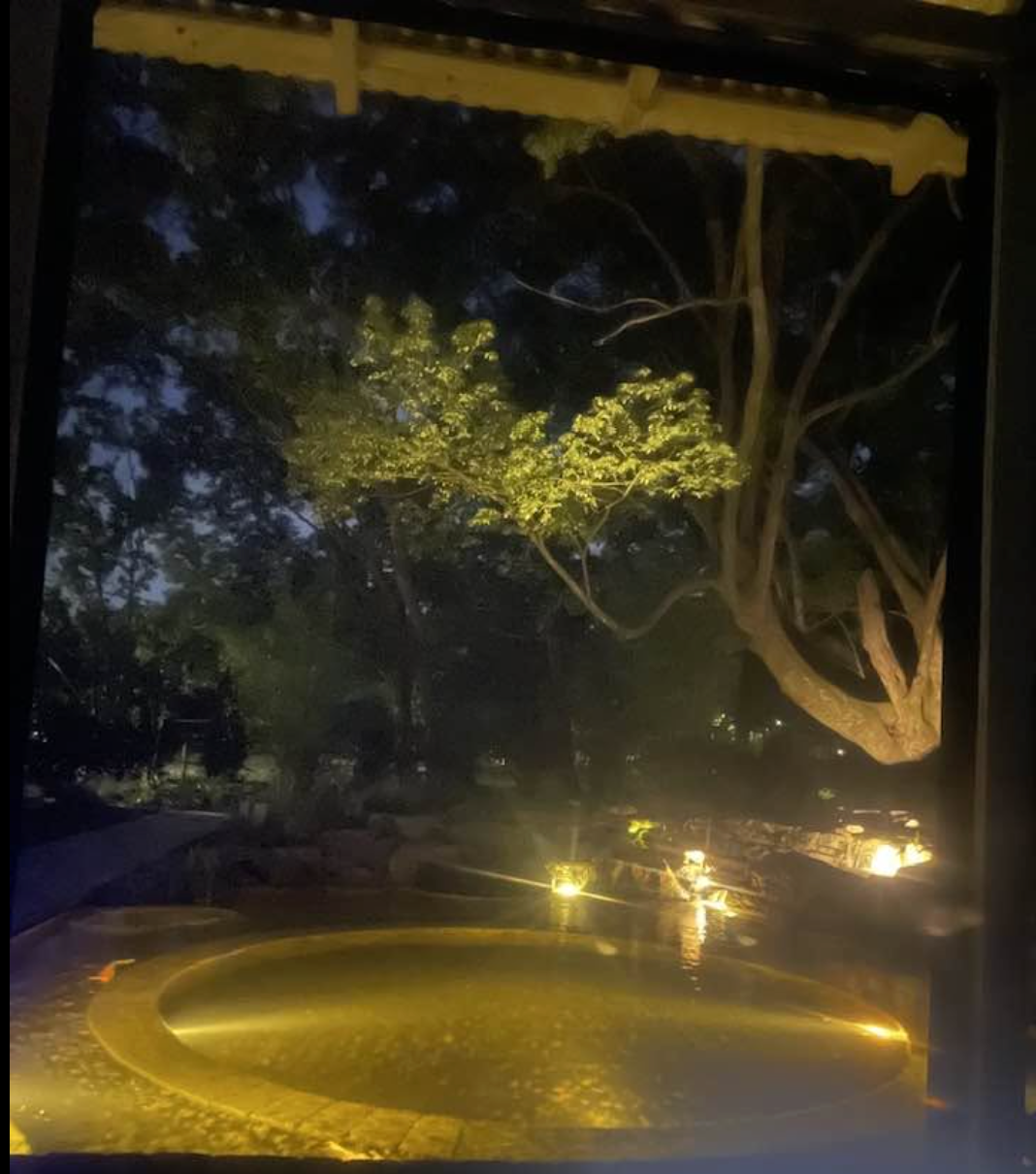
The big beautiful aromatic tree behind the pond that protects Wild Pond House is a camphor tree.
Camphor trees are native to subtropical parts of Asia. They are symbols of strength, recuperation, and inspiration.
ABOUT THE GARDEN
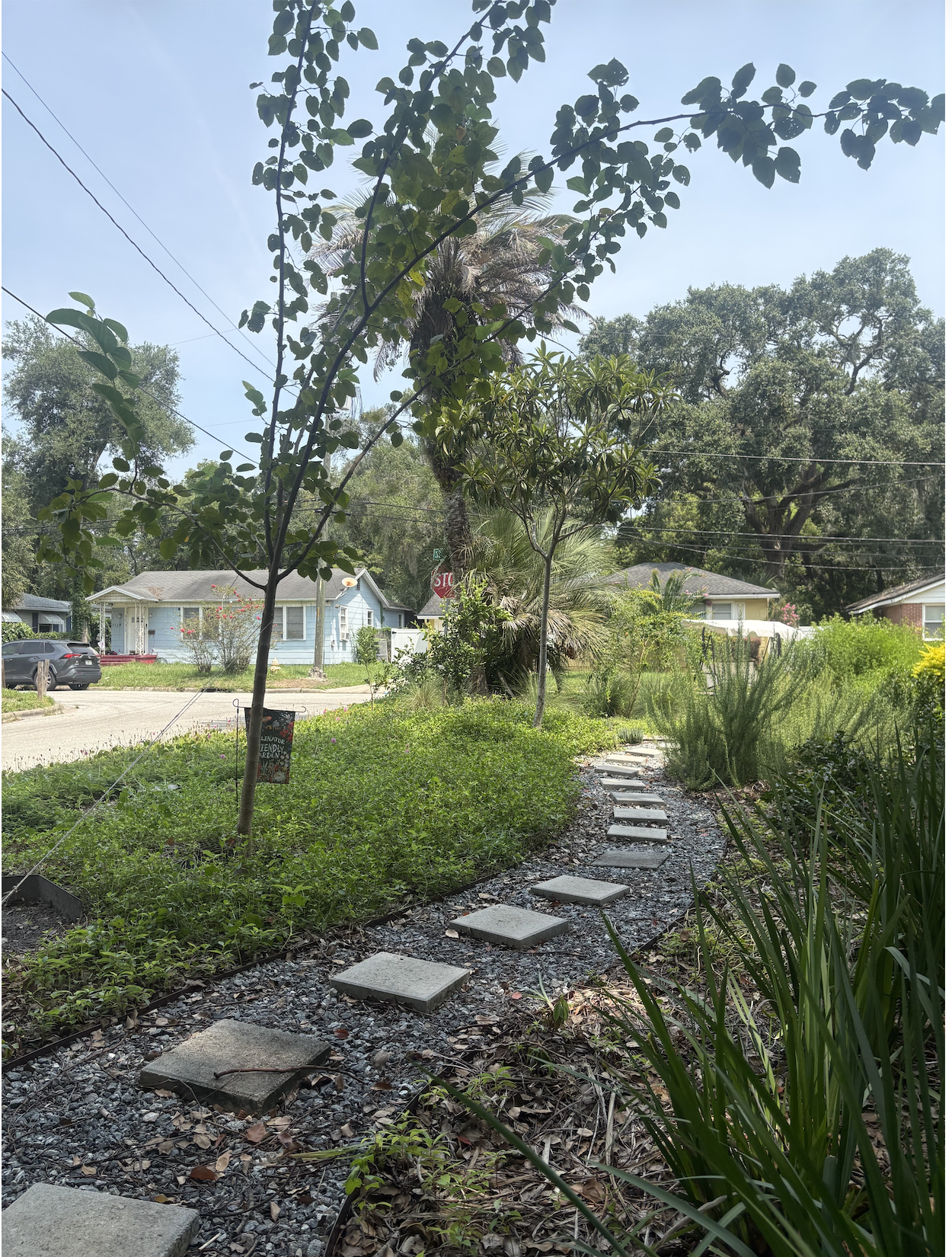
The landscaping of Wild Pond Cottage follows the Florida Friendly ethos, which comprises nine principles. You can read about it here.
Camphor trees are believed to house protective nature spirits like the character, “Totoro”, in Hayao Miyazaki’s famous film.

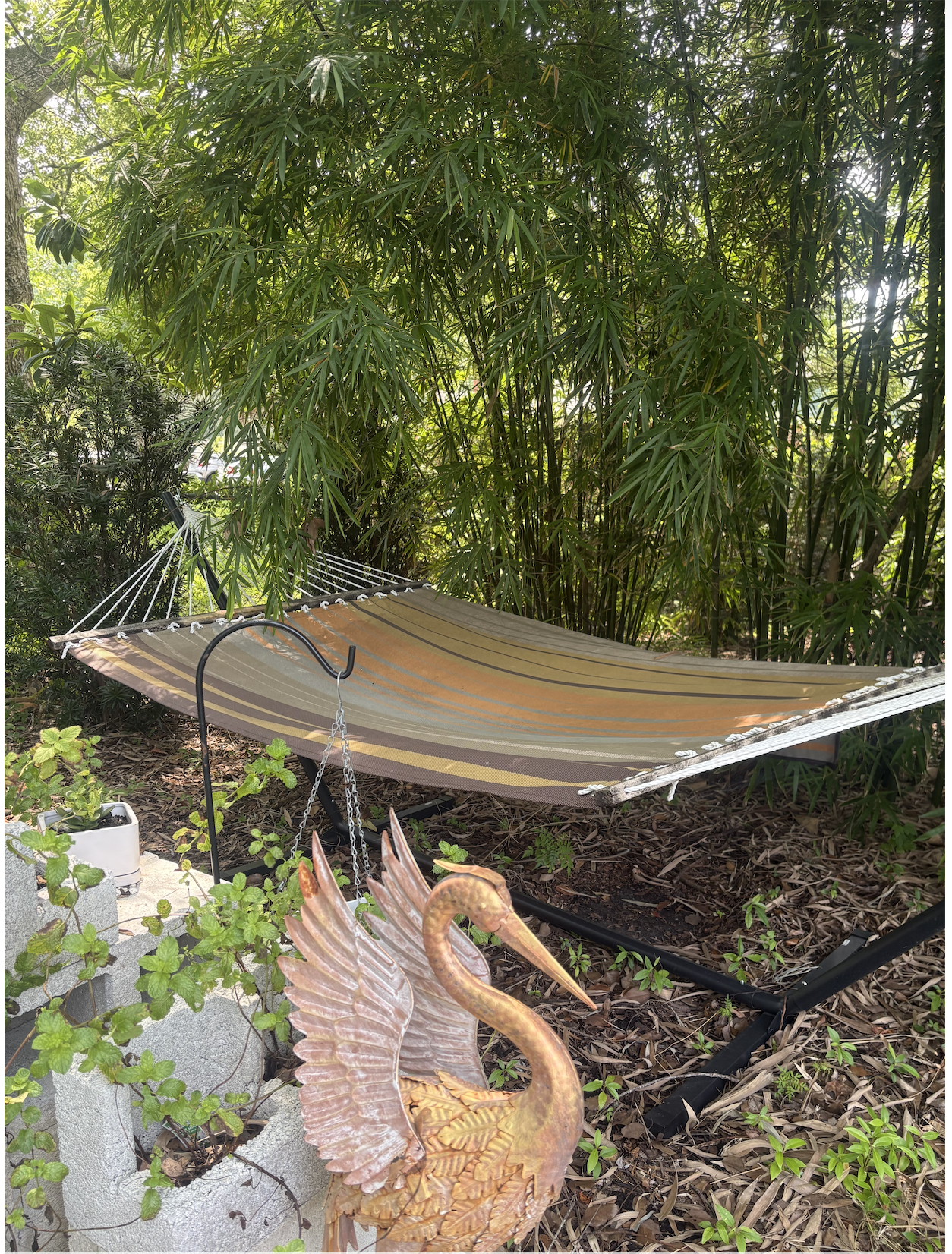
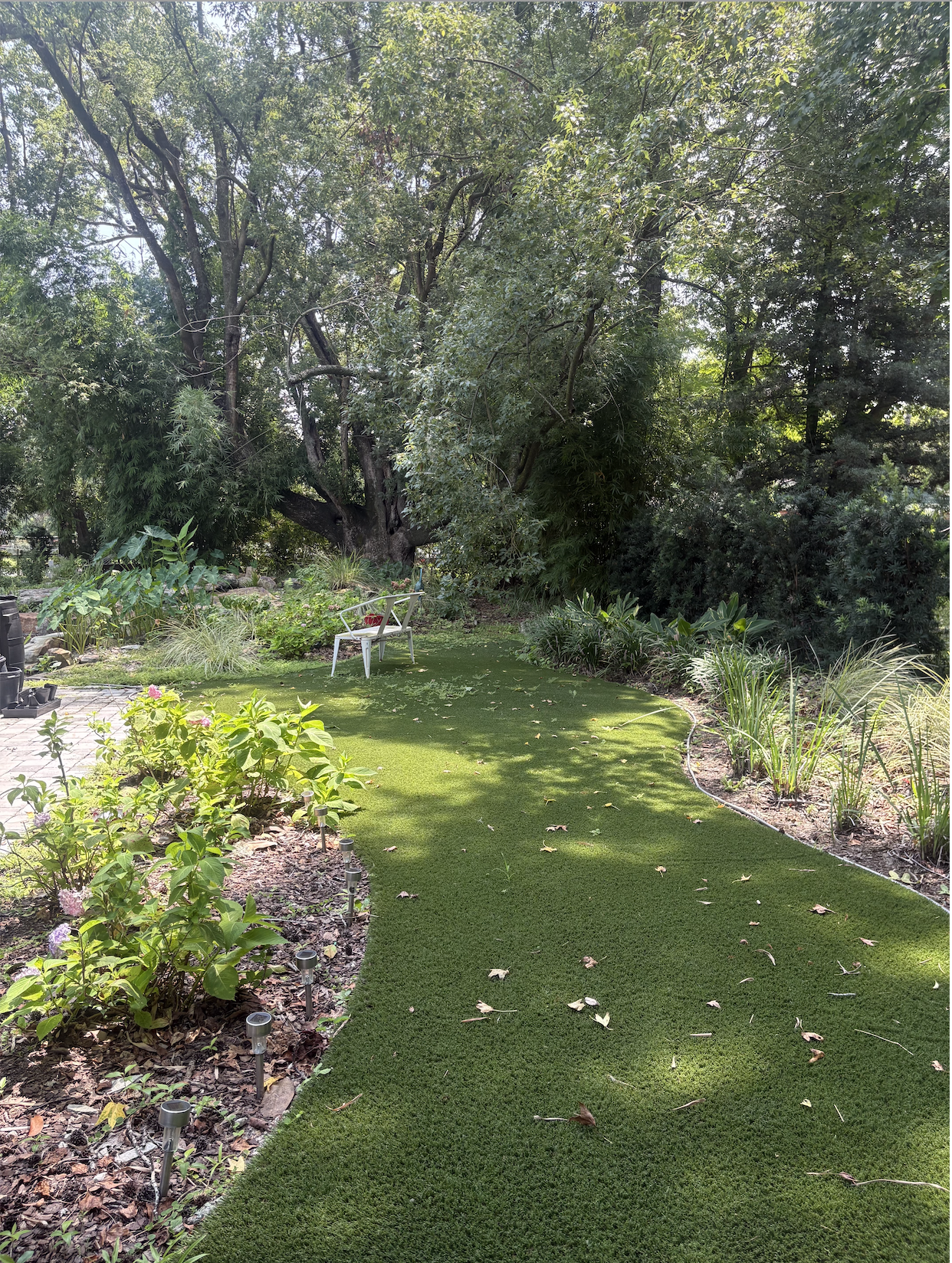
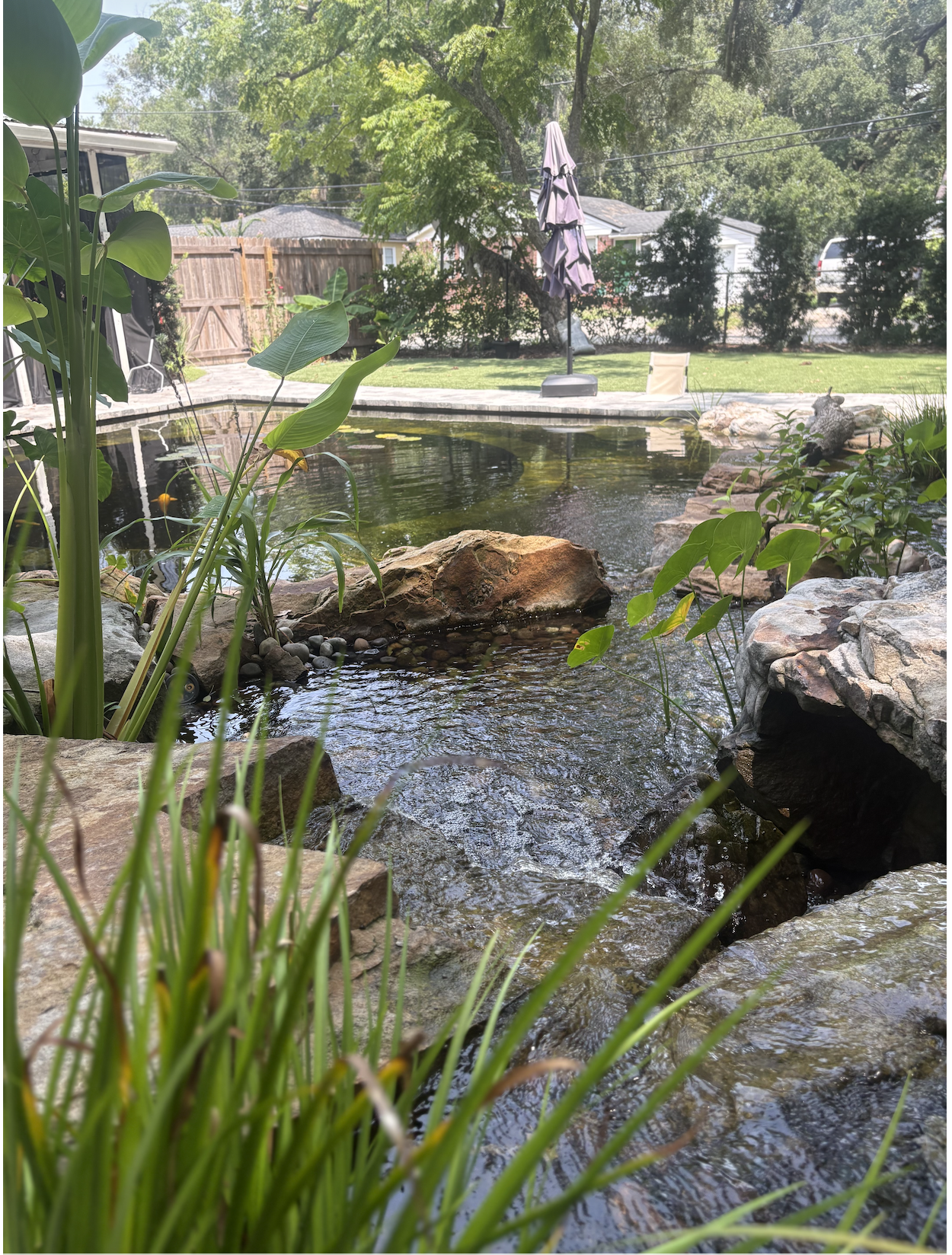
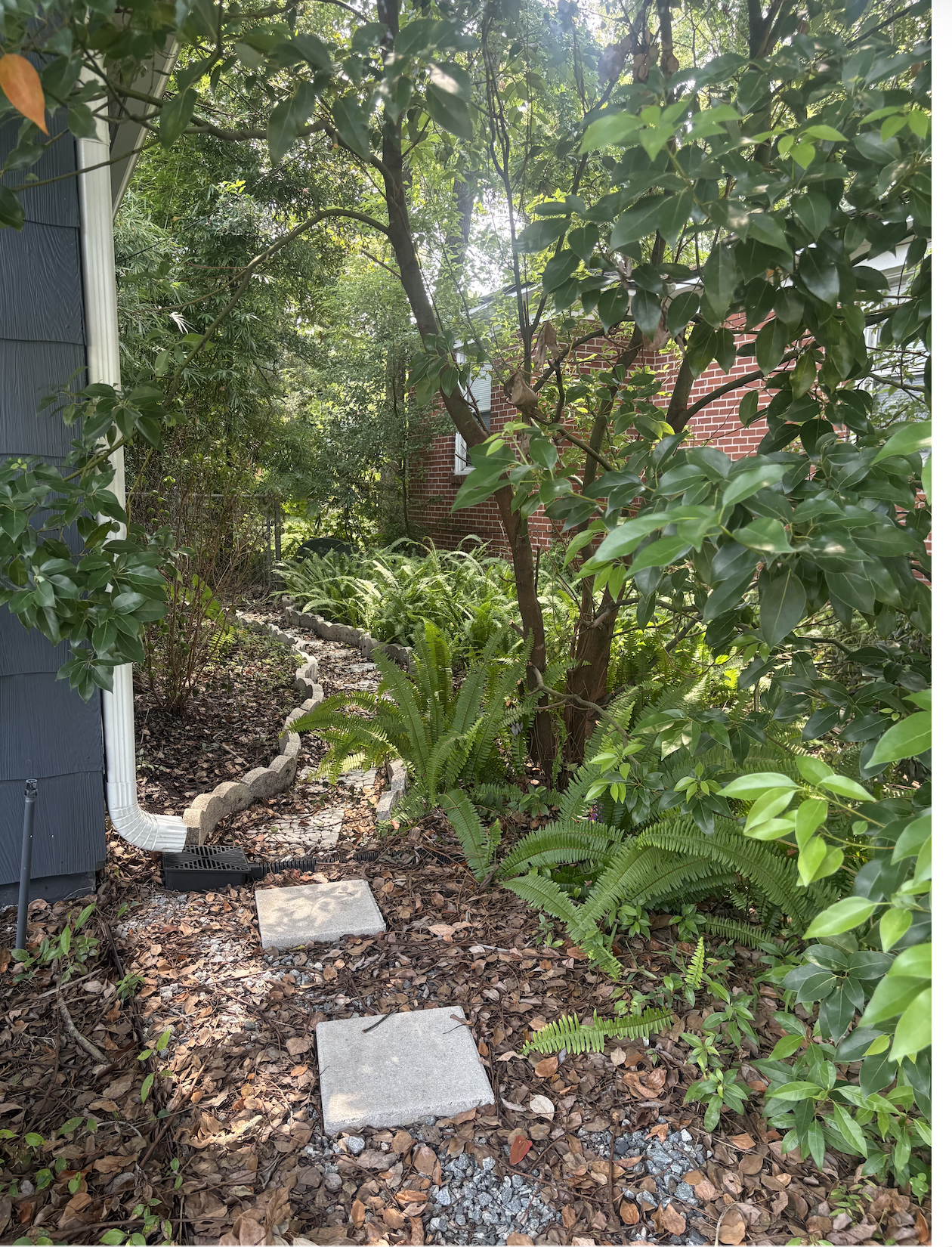
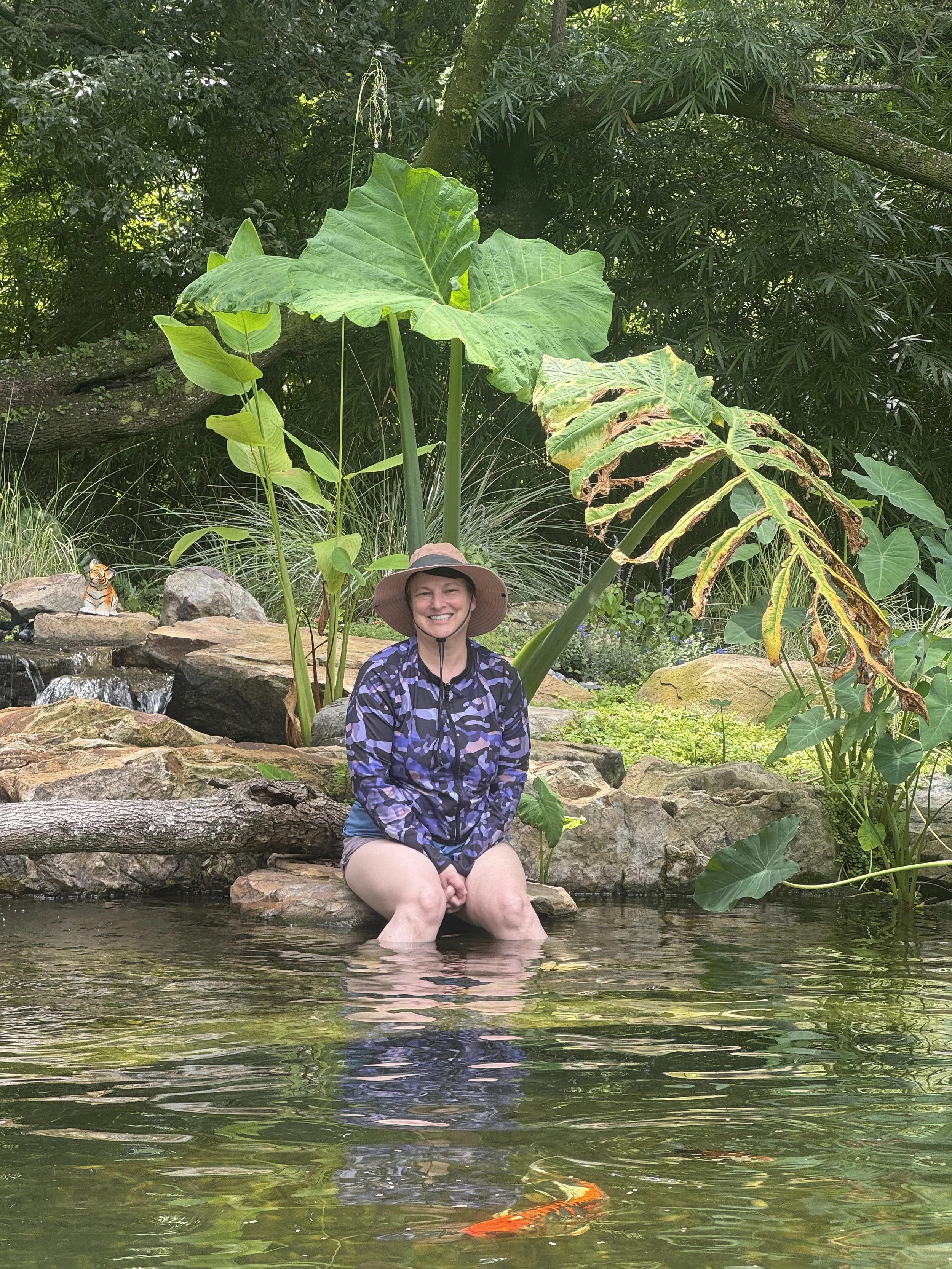
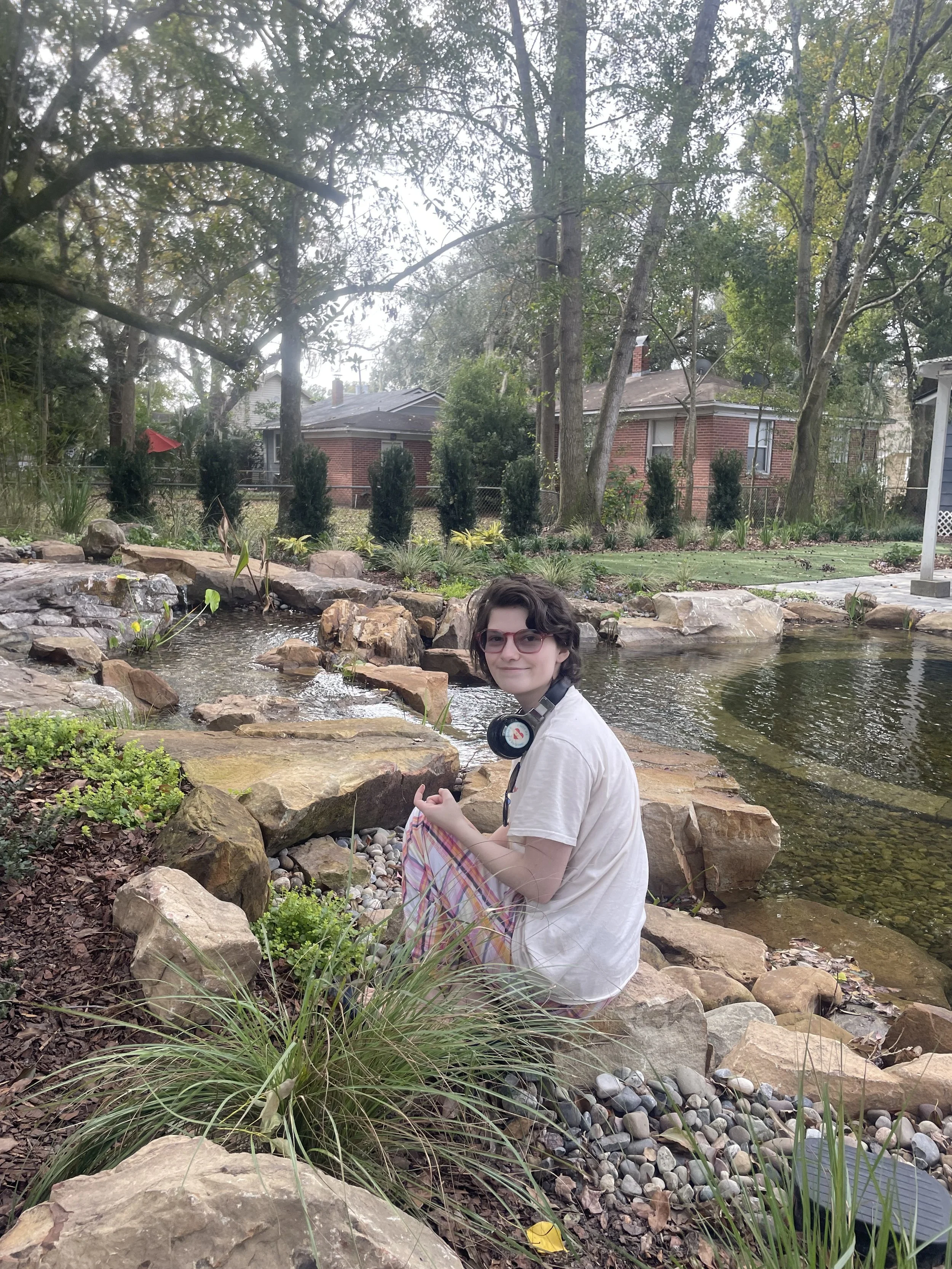
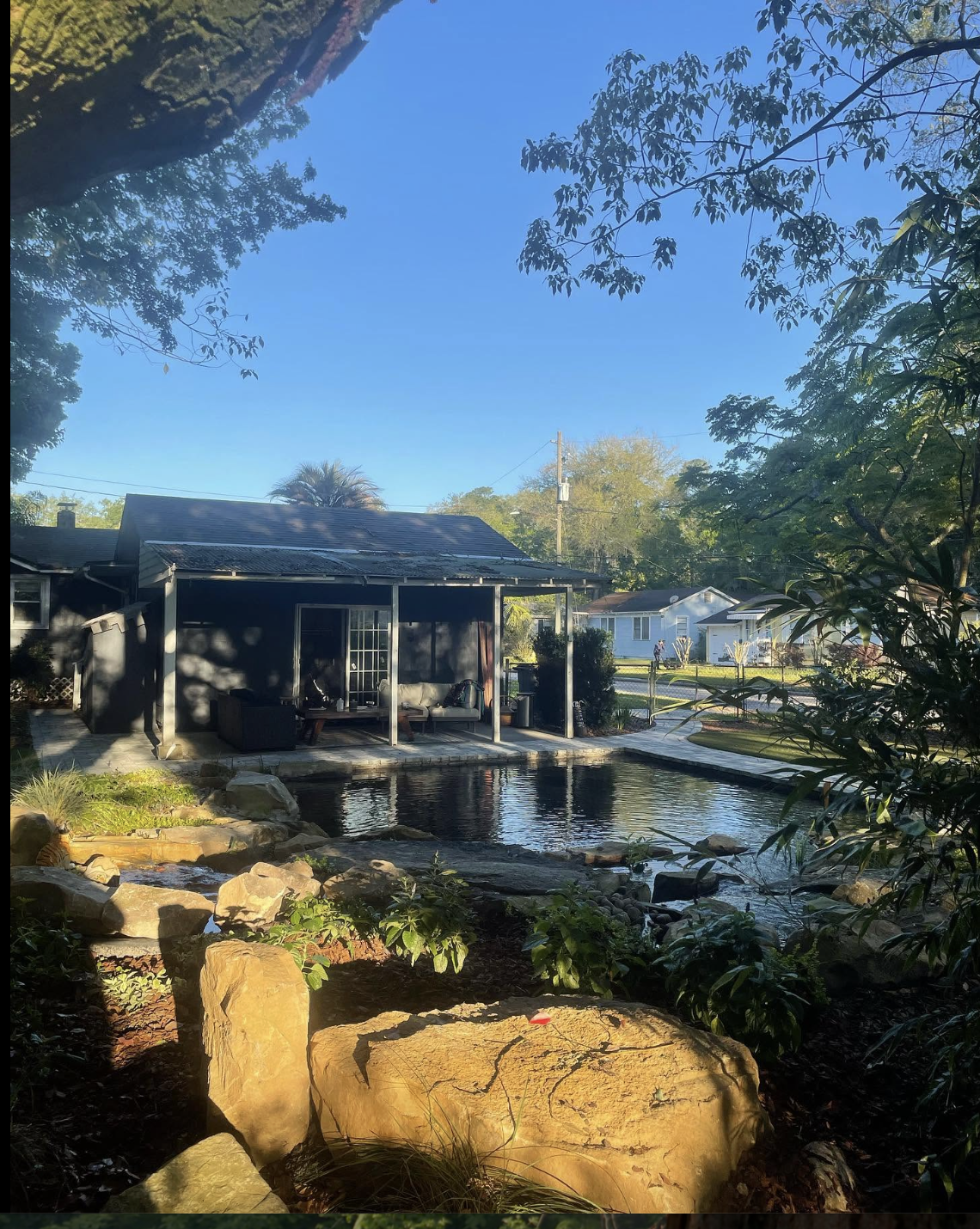
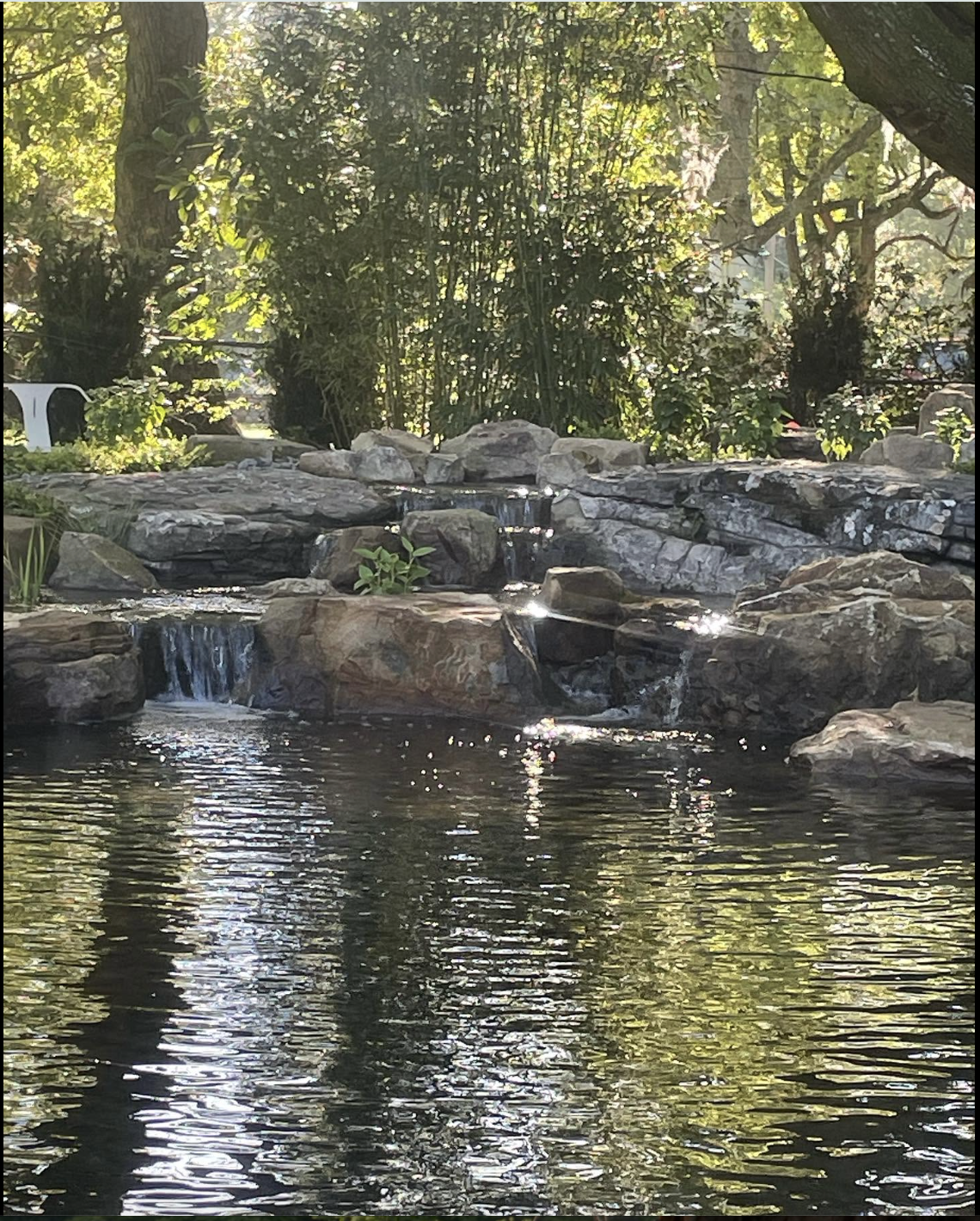
The garden is magical in all seasons and weather
Aloe has been used since at least as far back as ancient Greece, Rome, Babylonia, and China. You can use it for after-sun care. Just leave enough for the next guest.
Azaleas were first introduced to the outdoor landscape in the United States the 1830s at the rice plantation Magnolia-on-the-Ashley in Charleston, South Carolina.
Sunshine Mimosa, also called Powderpuff, is native to our area. It’s better than grass as it doesn’t need as much water and it attracts pollinators. You can walk on it; it’s tough!
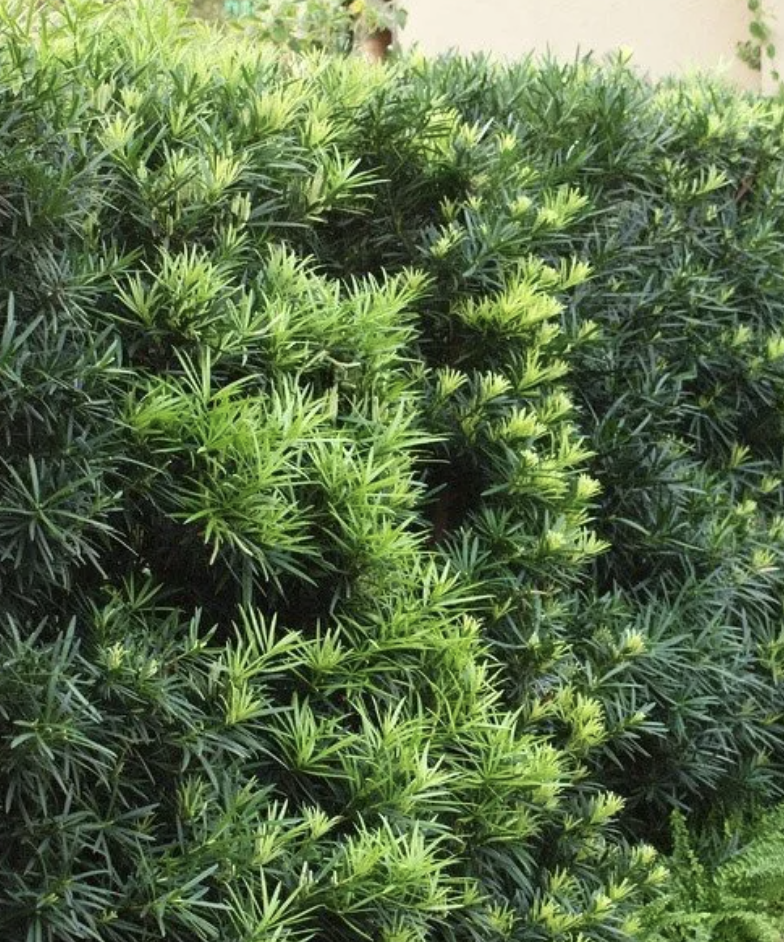
Podocarpus Maki: Commonly called yew plum pine or Buddhist pine, it is native to mountainous areas of China and Japan. It is pest repelling.
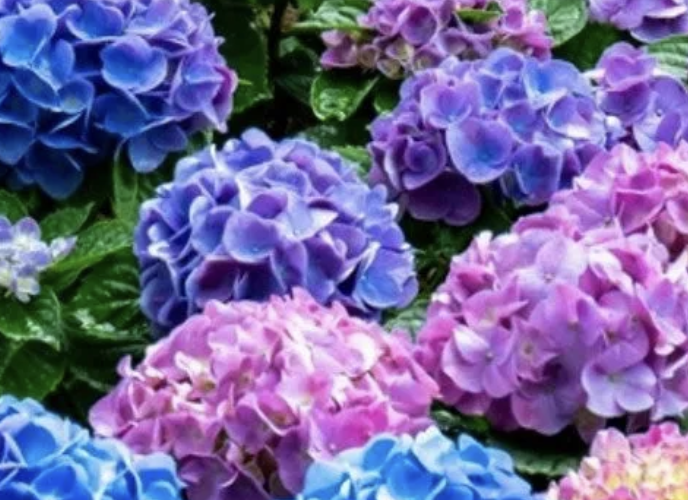
Hydrangea: Native to several Asian countries, including Japan, China and Korea, but it was also discovered to have possibly existed in North America 40-65 million years ago based on fossil records. An early American colonist is said to have transported a North American varietal to England in the 1730s.
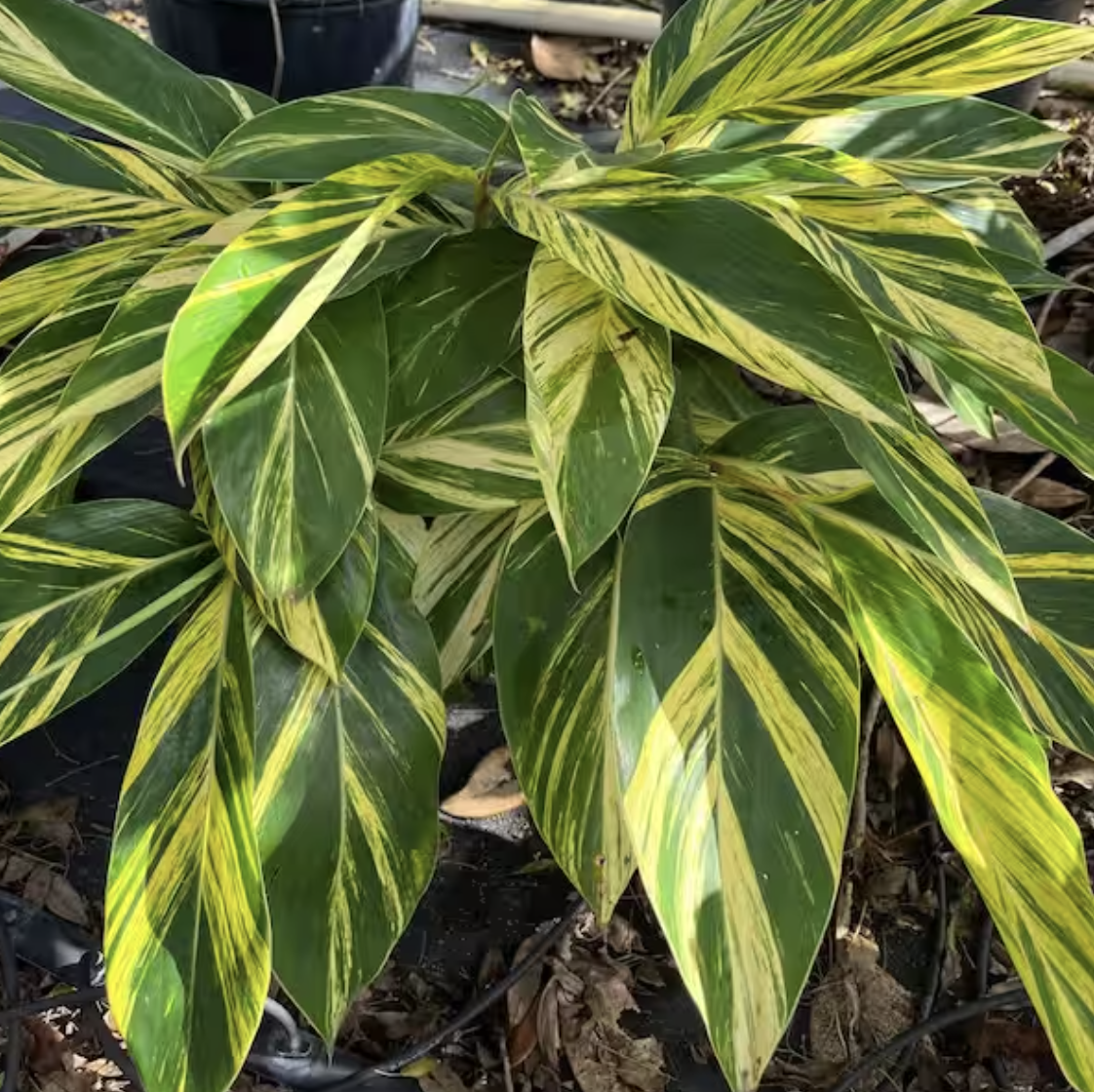
Alpinia zerumbet (shell ginger): Commercially grown as spice, food, and medicine. Native to Northeast India, Myanmar, China, and Japan.
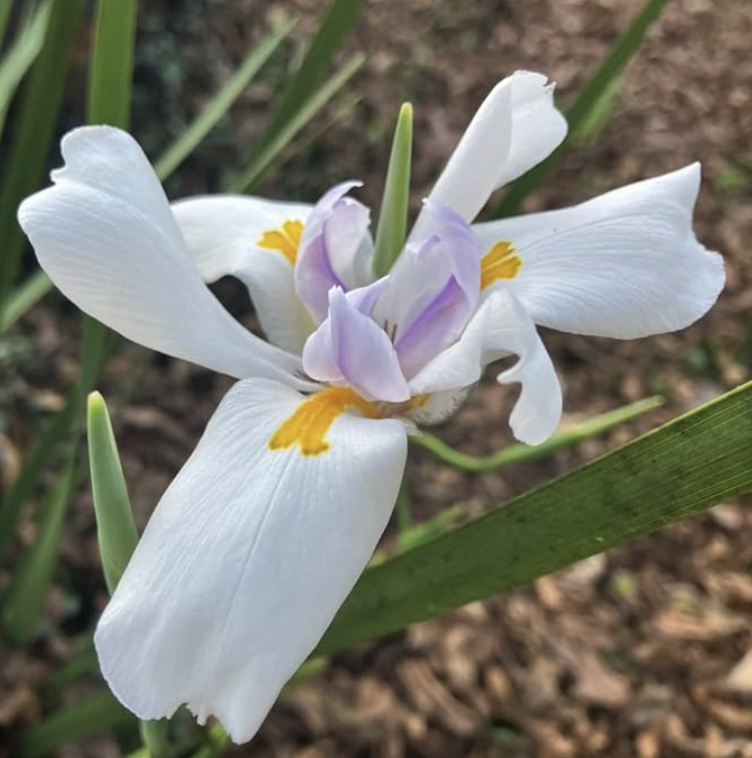
African White Iris: Native to southern Africa.
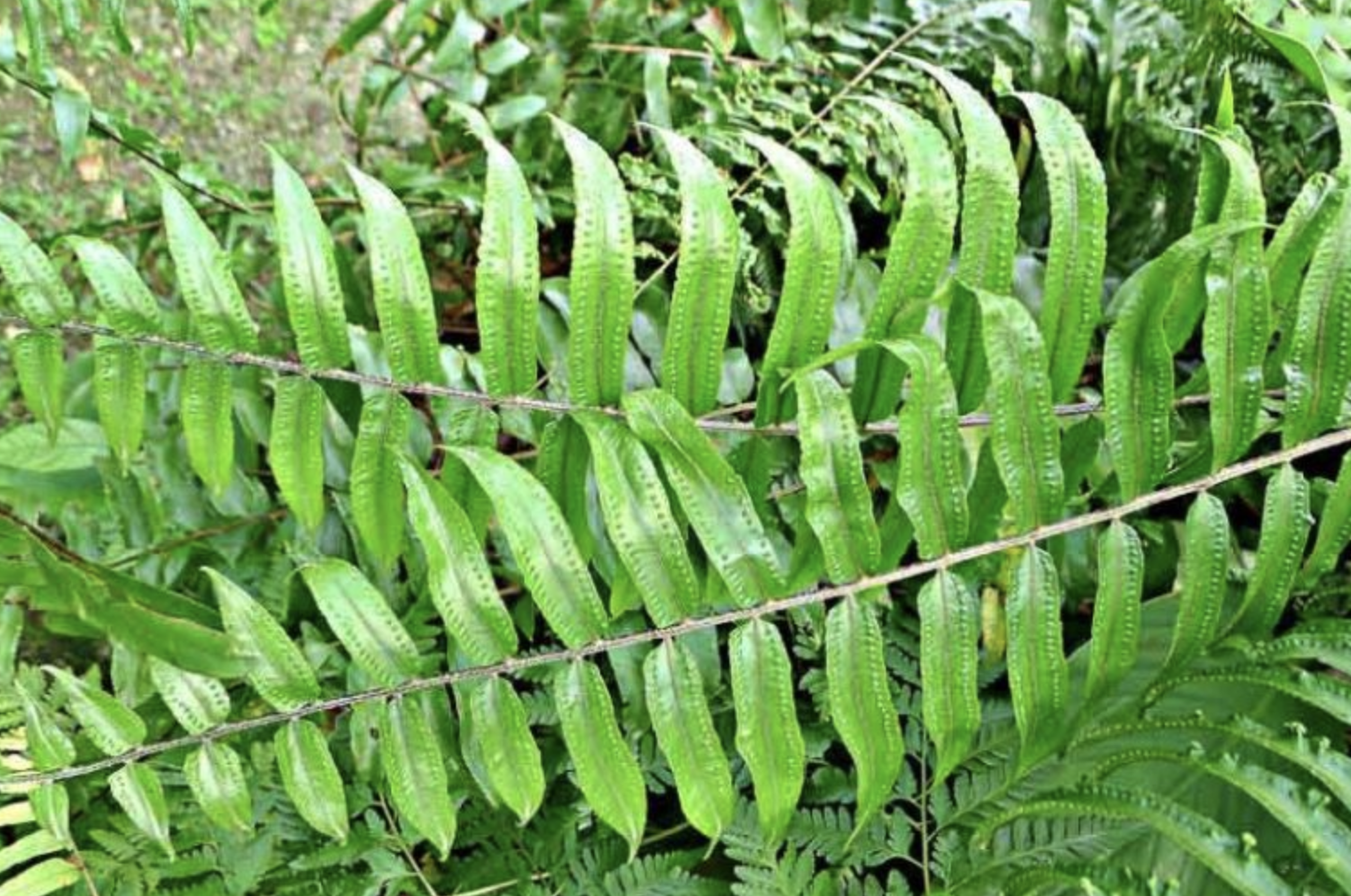
Giant Sword Fern: Native to Florida, Mexico, the West Indies, Central America, South America, and southeast Asia.
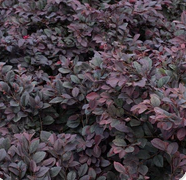
Loropetalum cerise charm: Native to China, Japan, and the Himalayas; a member of the witch hazel family. In the spring, it produces bright cerise pink flowers.
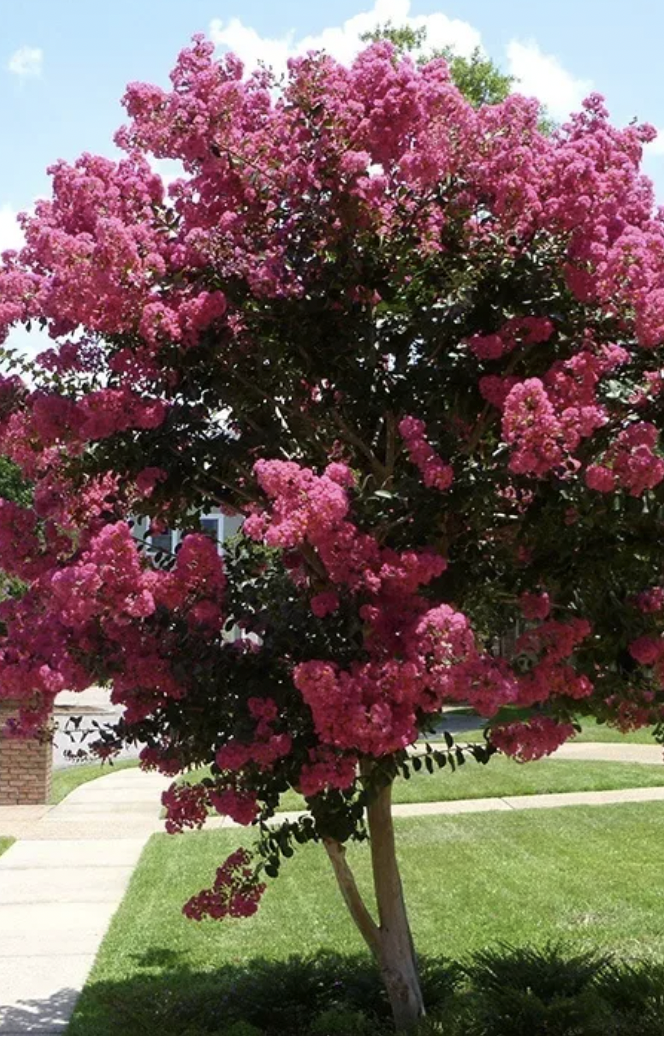
Tuscarora crepe myrtle: A deciduous tree that has bright green leaves that turn orange-red in the fall, and produces coral-pink flowers in the late summer. It is native to the Himalayas, Japan, southern China, and southeast Asia. It has naturalized in the United States from Virginia to Arkansas, and south to Texas.
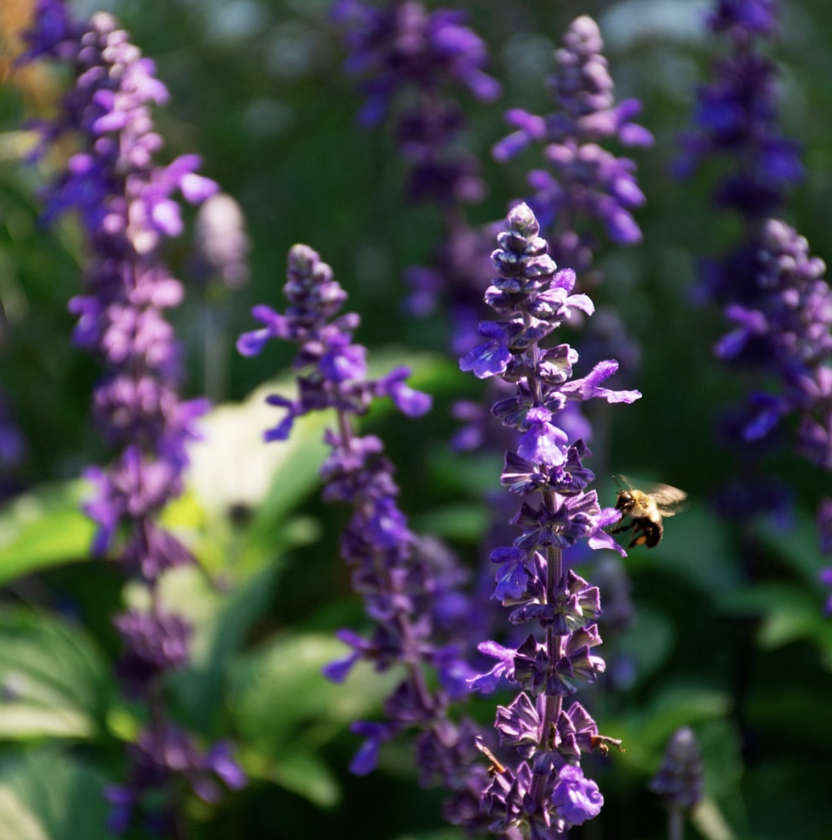
Salvia mystic spires: A perennial sage that pollinators and hummingbirds love. The genus Salvia is part of the Mint (Lamiaceae) family. It is a hybrid between two large Mexican sages, that was discovered as a chance hybrid seedling at the Huntington Botanical Gardens in the 1970's.
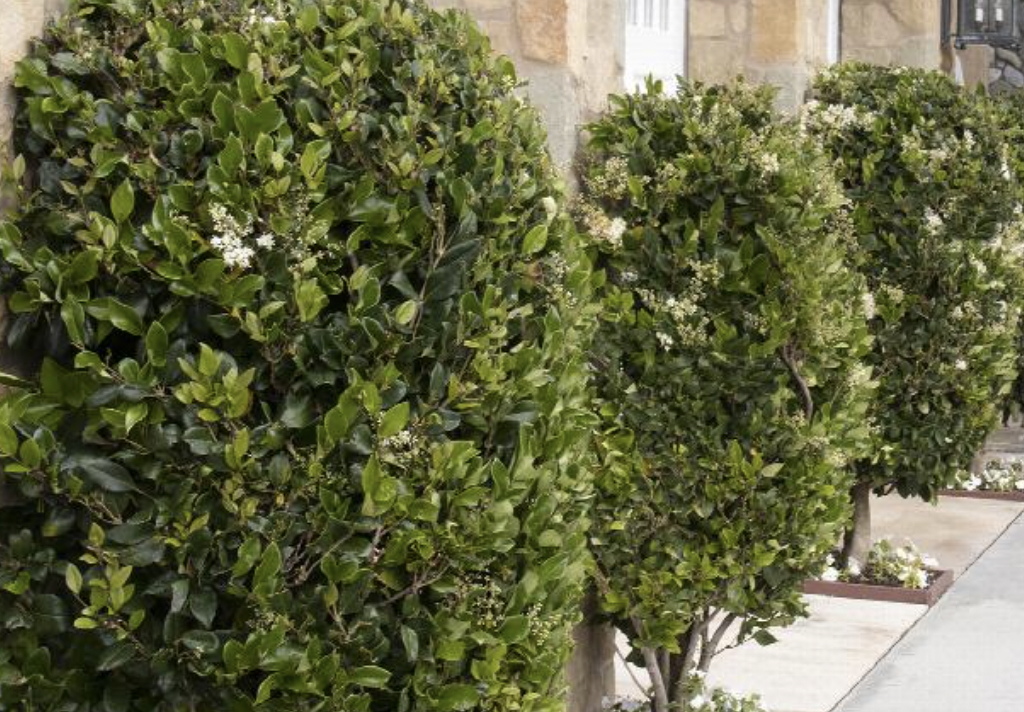
Waxleaf ligustrum: Displays a profusion of fragrant, white blooms in spring. It is native to central and southern Japan, as well as Korea and has naturalized to some North American regions.
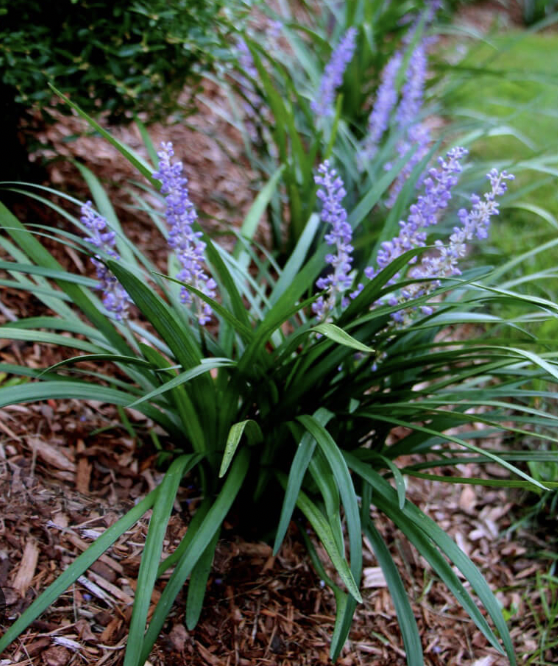
Liriope: Native to East and Southeast Asia.
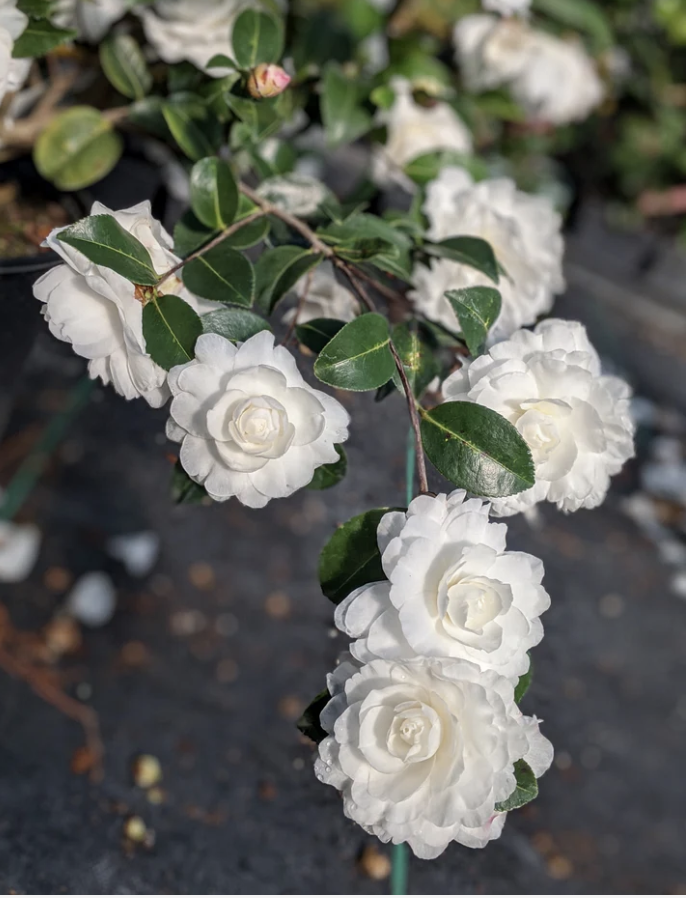
Camellia sasanqua: Native to the evergreen coastal forests of southern Japan, it's a member of the tea family. Camellias have been a staple in the American South for almost 200 years. Known in Japan as Tsubaki, the 'tree with shining leaves'. In the Shinto religion, it is believed that god-spirits dwell in them when on an earthly visit.
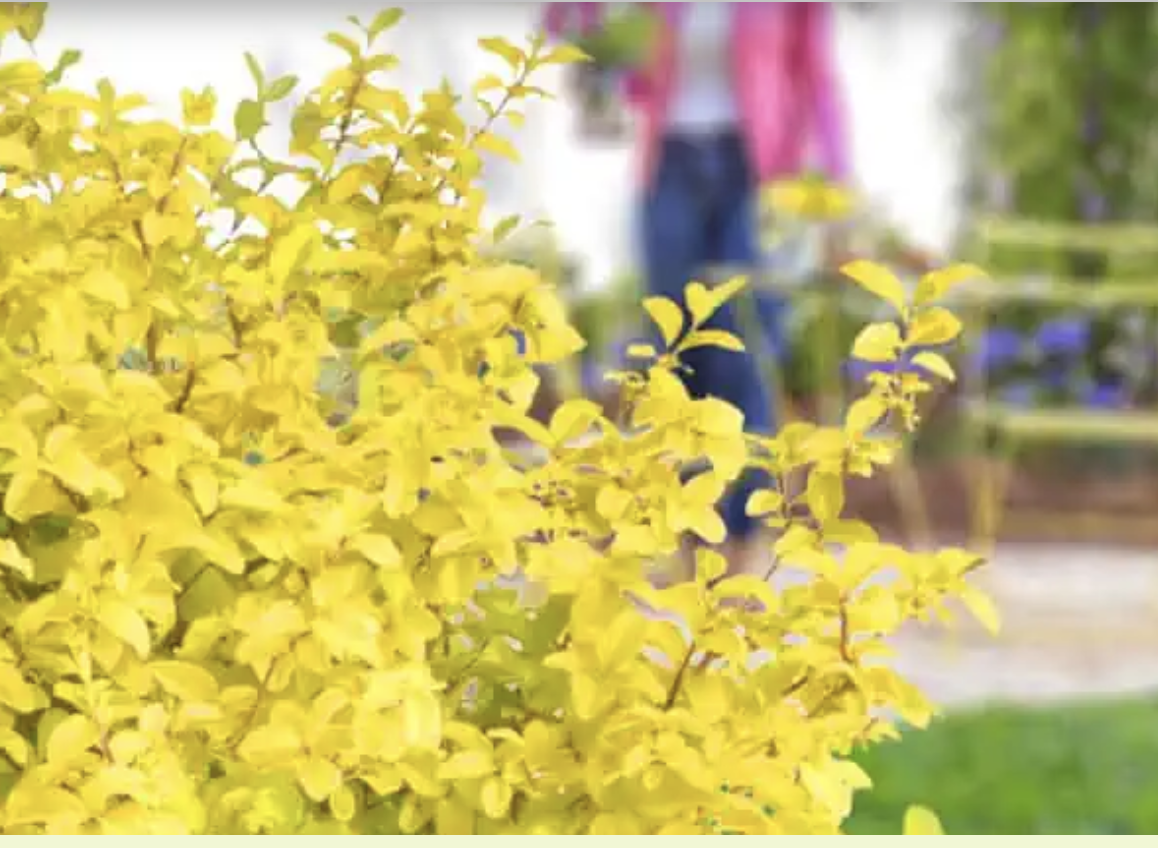
Sunshine ligustrum: Native to China and introduced to the United States in 1852 as an ornamental shrub. It escaped cultivation and became invasive in its original form, but this is a sterile (so, non-allergenic), noninvasive cultivar.
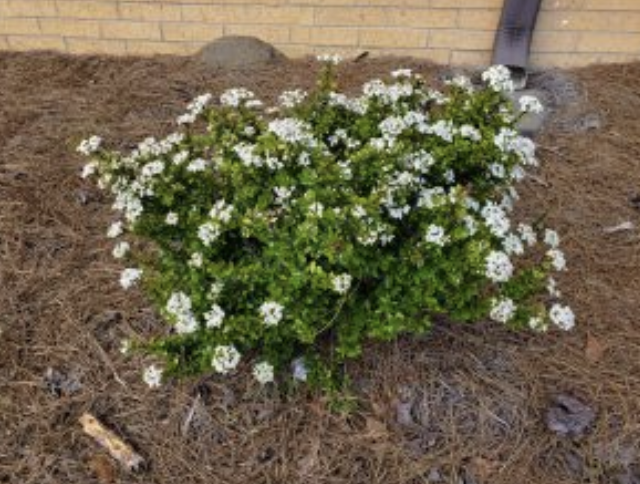
Dwarf Walter’s Viburnum: Named for English-born botanist turned South Carolina farmer Thomas Walter, who described it in 1788, in his book, Flora Caroliniana. Native to southeast USA.
ABOUT THE WILDLIFE
The garden at Wild Pond House has been curated to attract native animals. Pollinator insects, lizards, birds, frogs, and sometimes turtles come to visit.
Please don’t kill any creatures. If something becomes a problem, contact us.
Download the Merlin Bird Id app to identify birds you see or hear by the pond.
Why not spend a day birding with a personal guide?
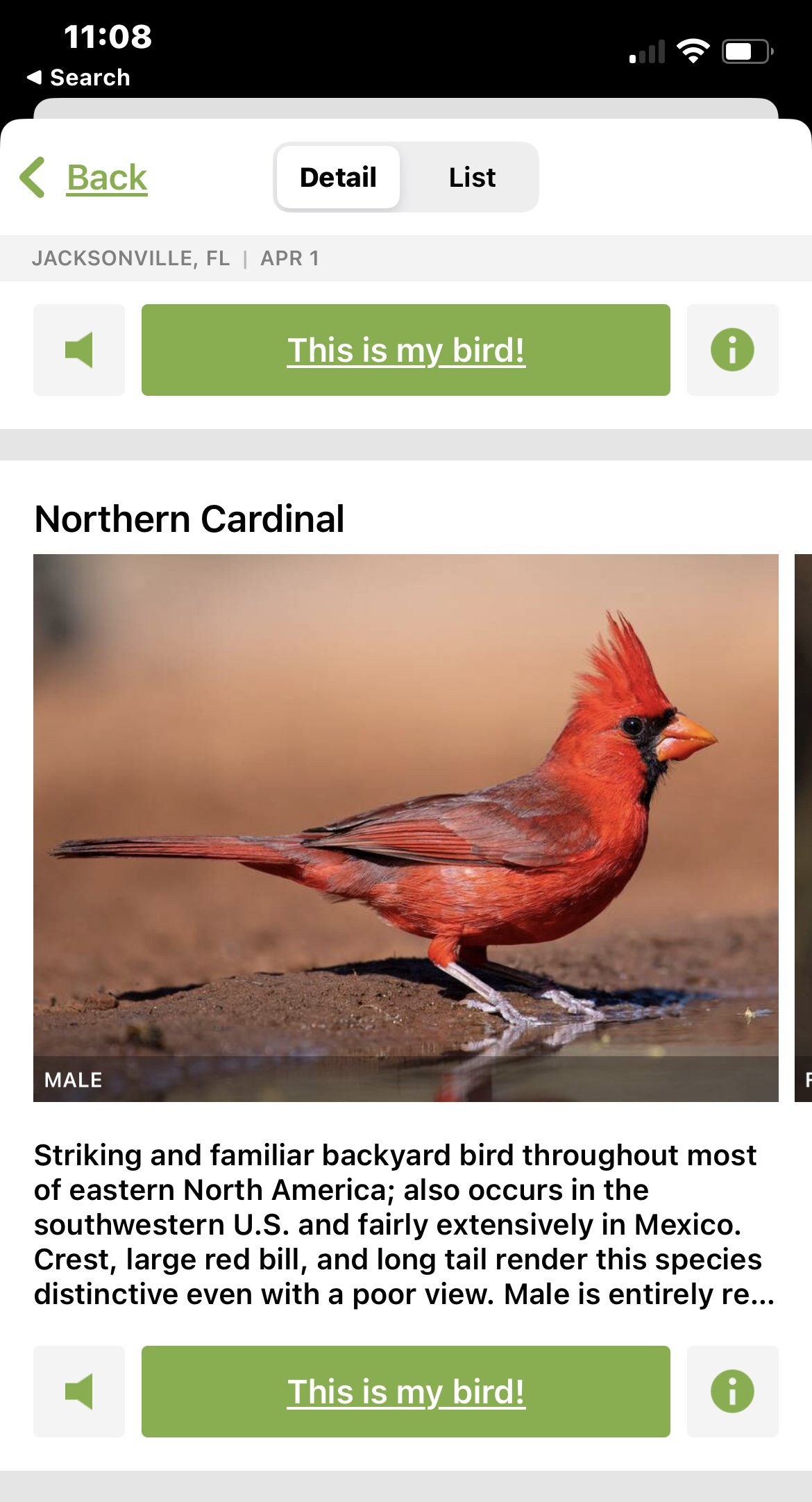
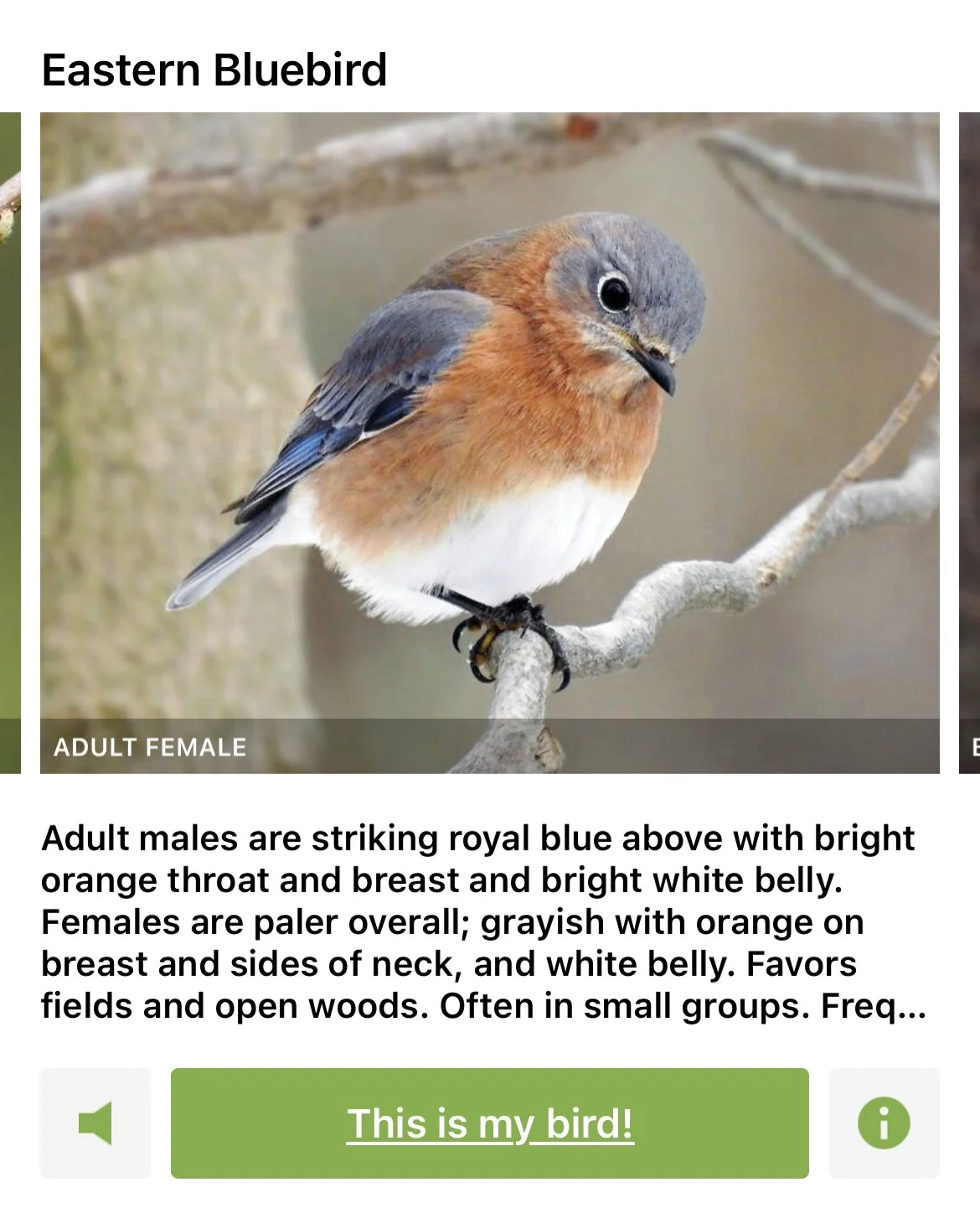
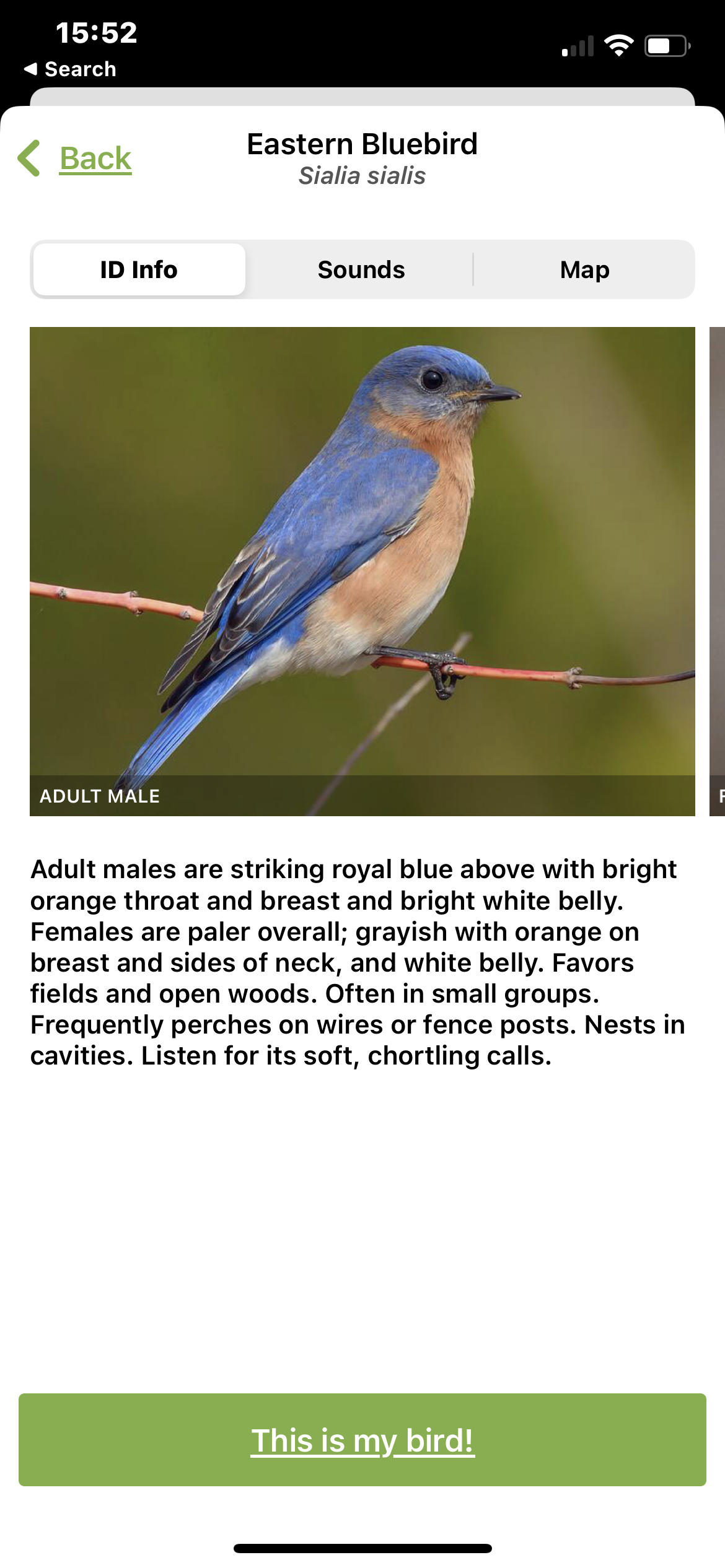
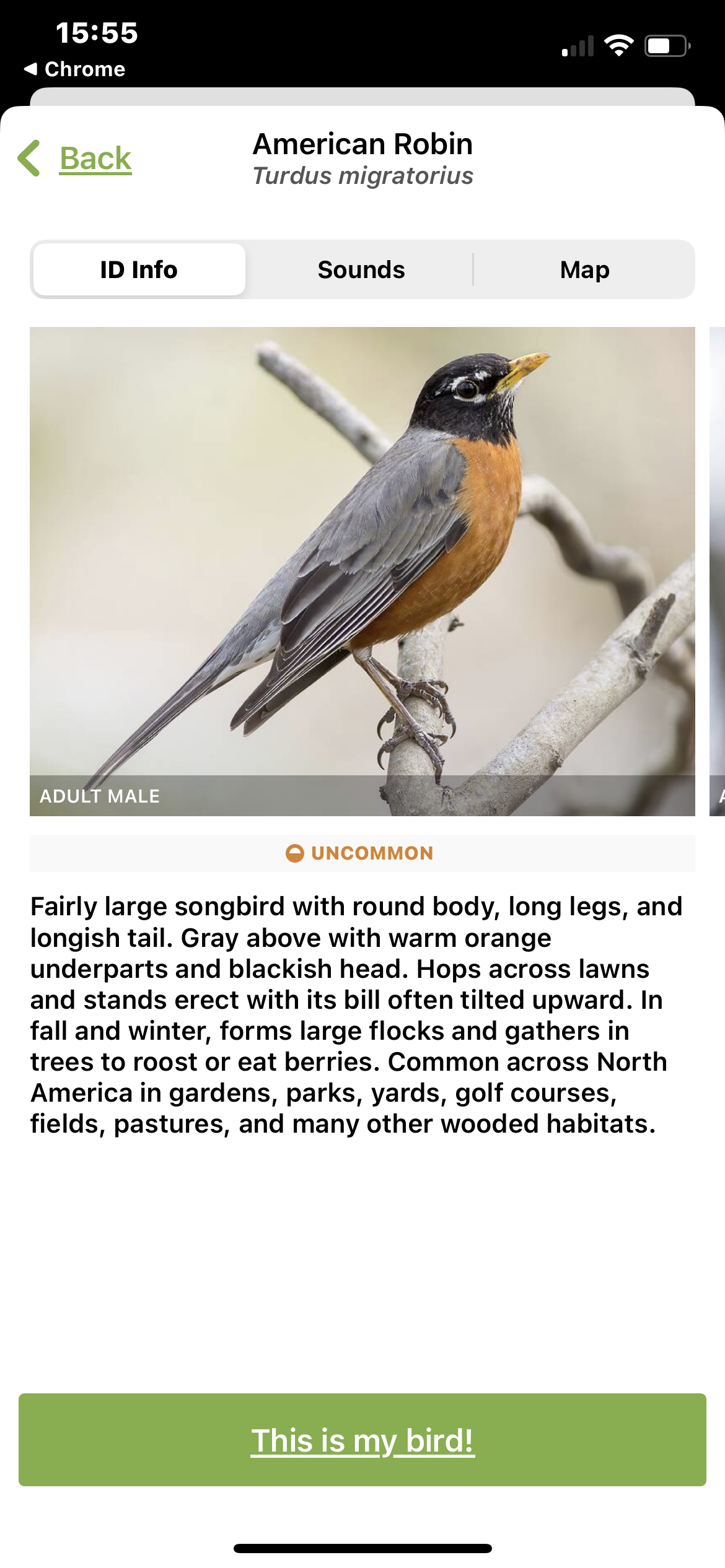
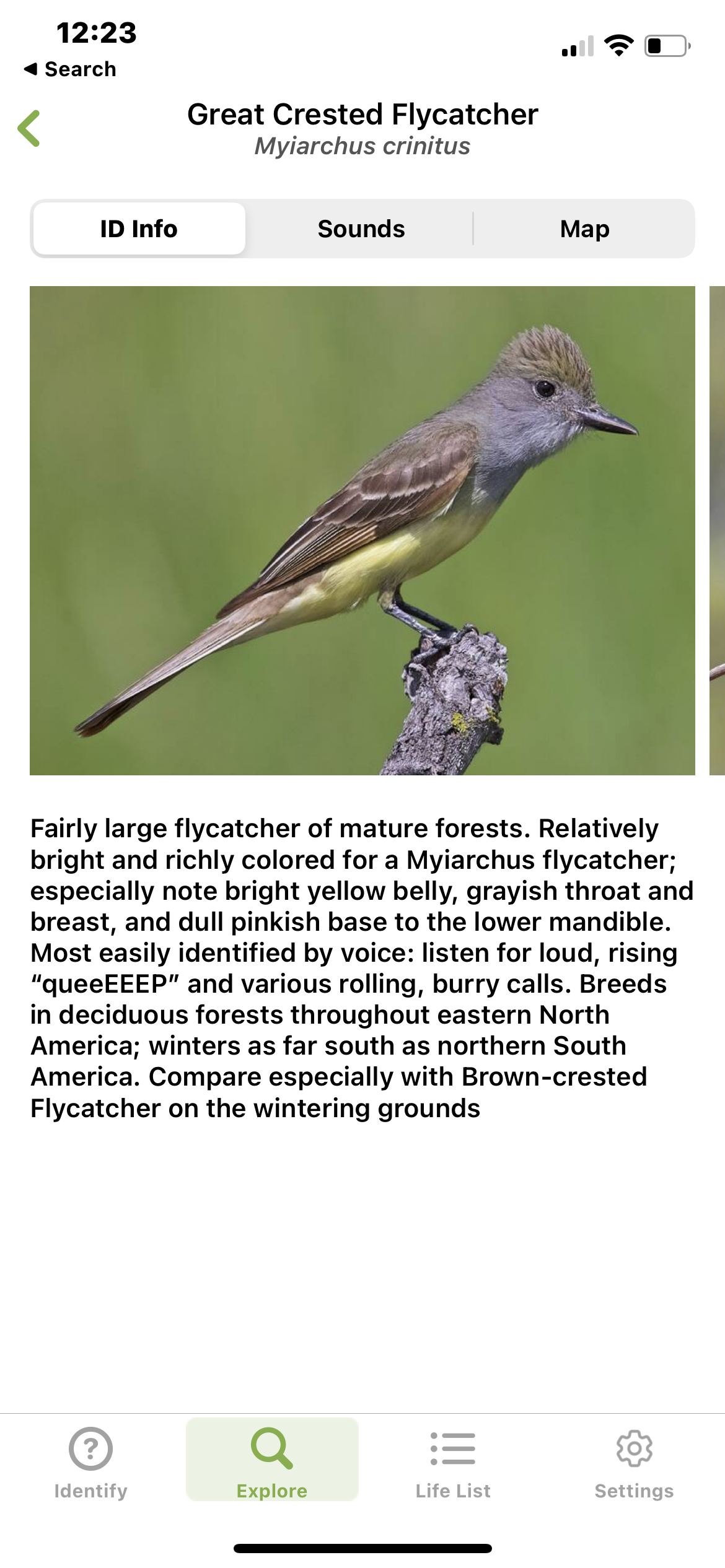
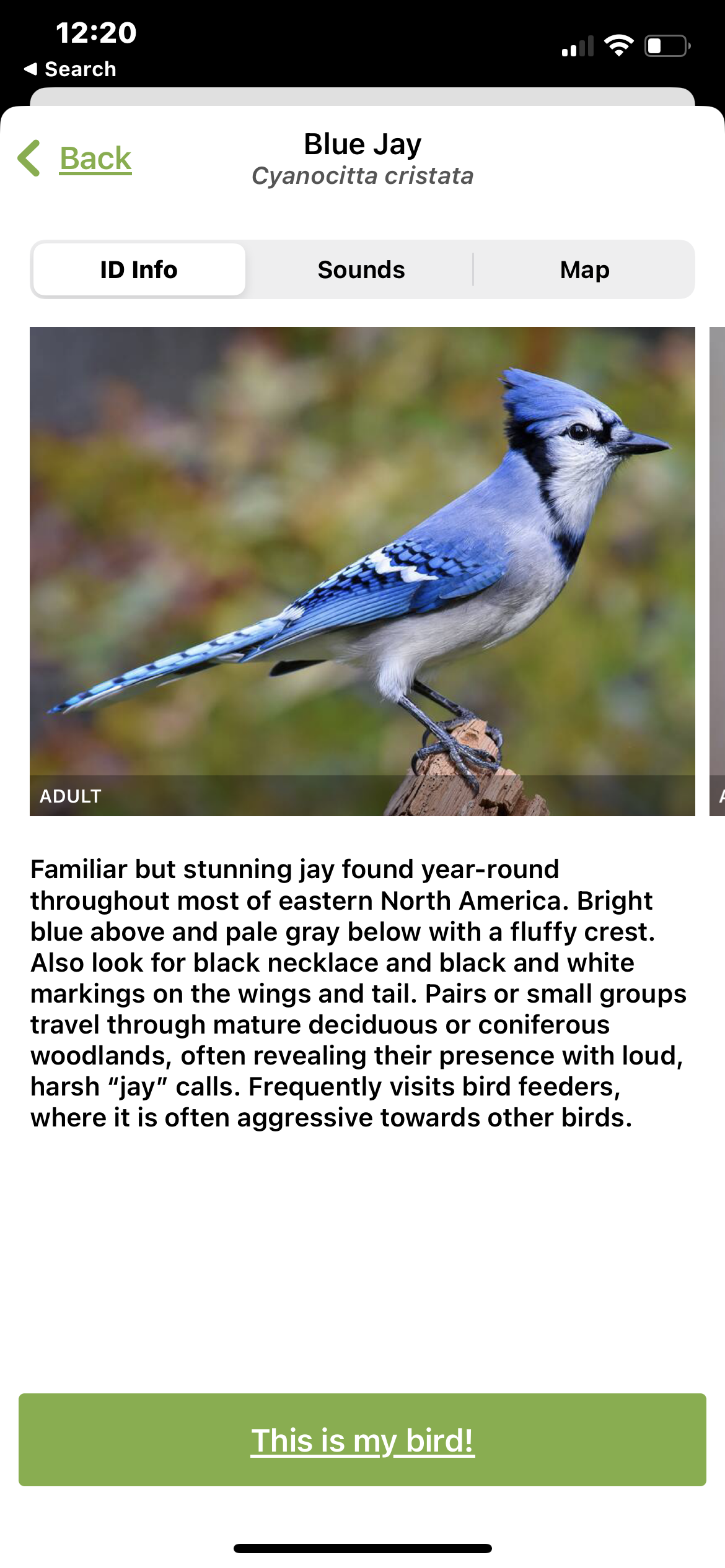
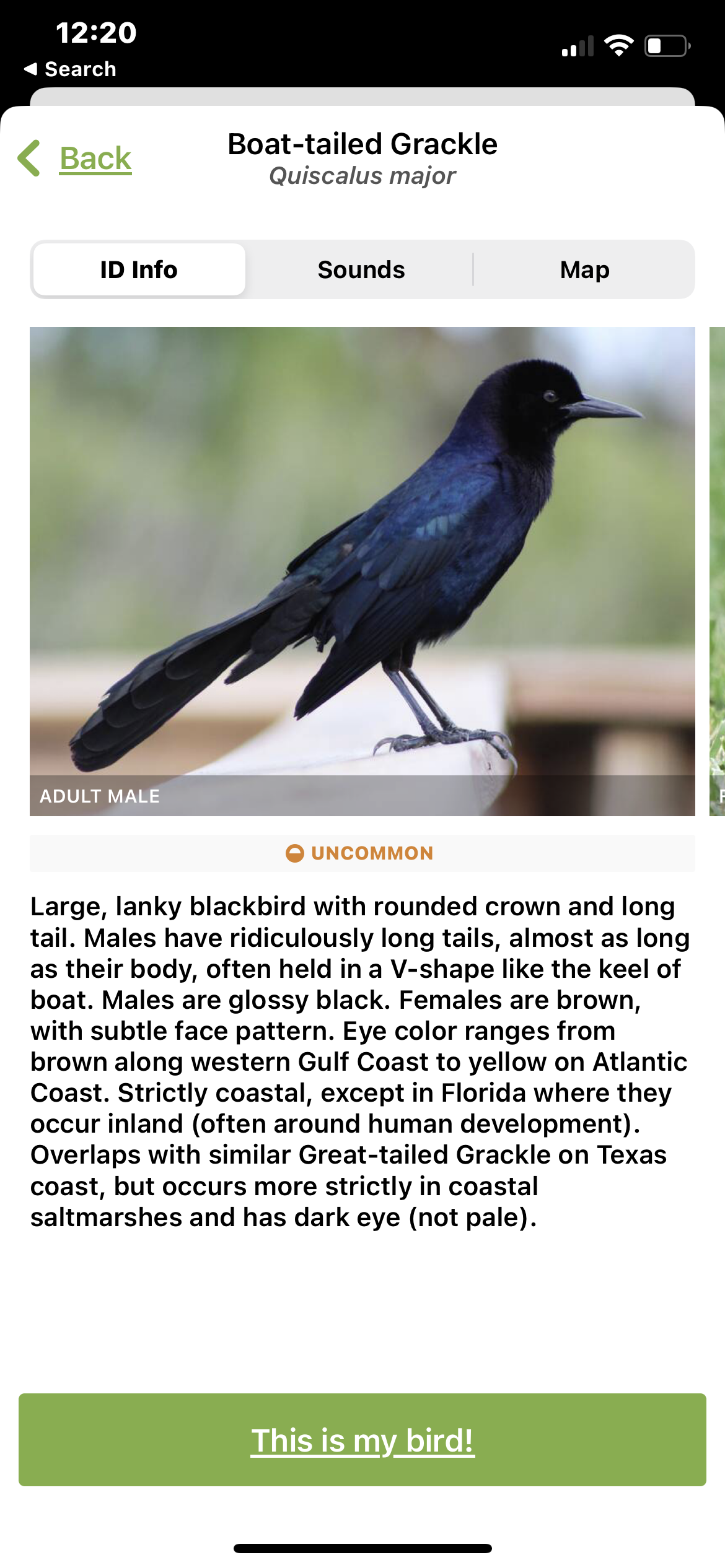
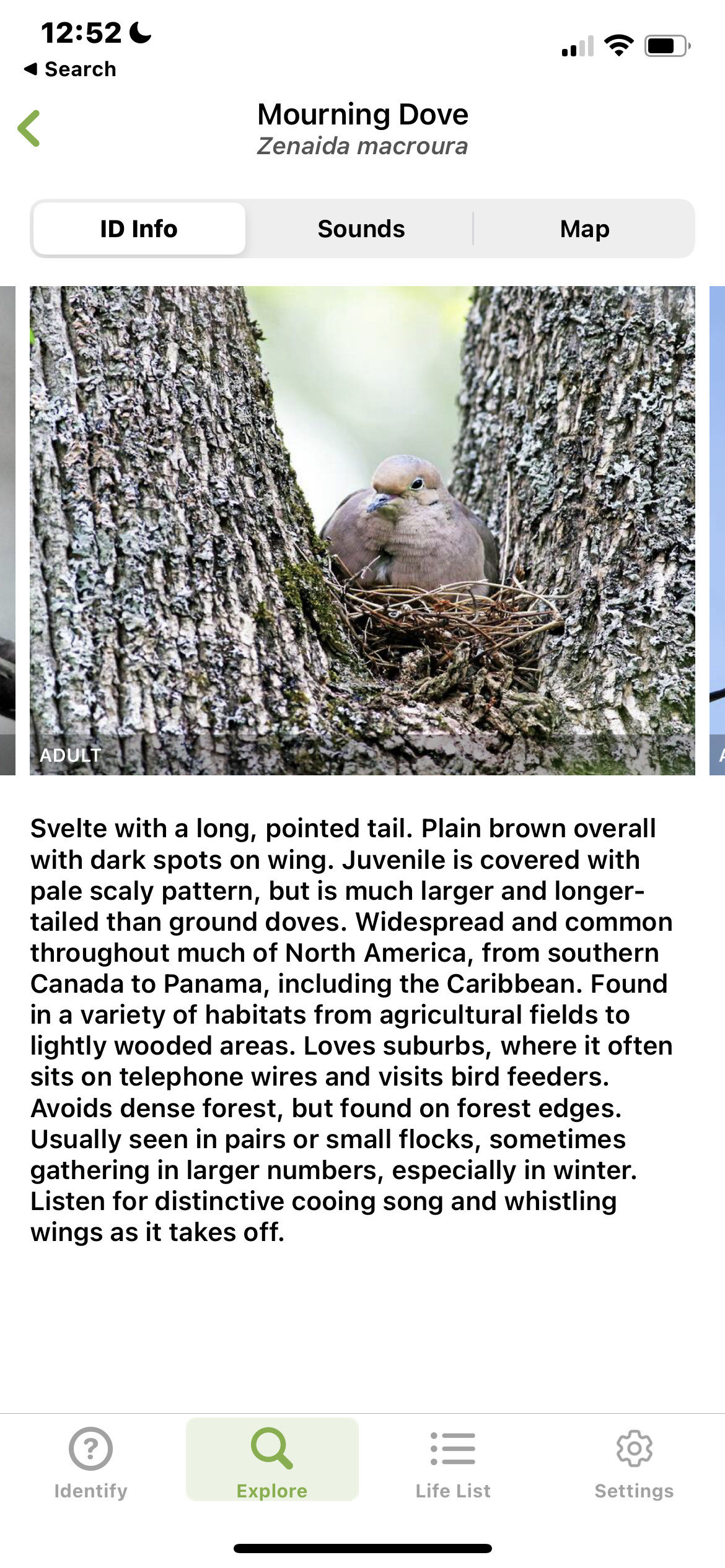
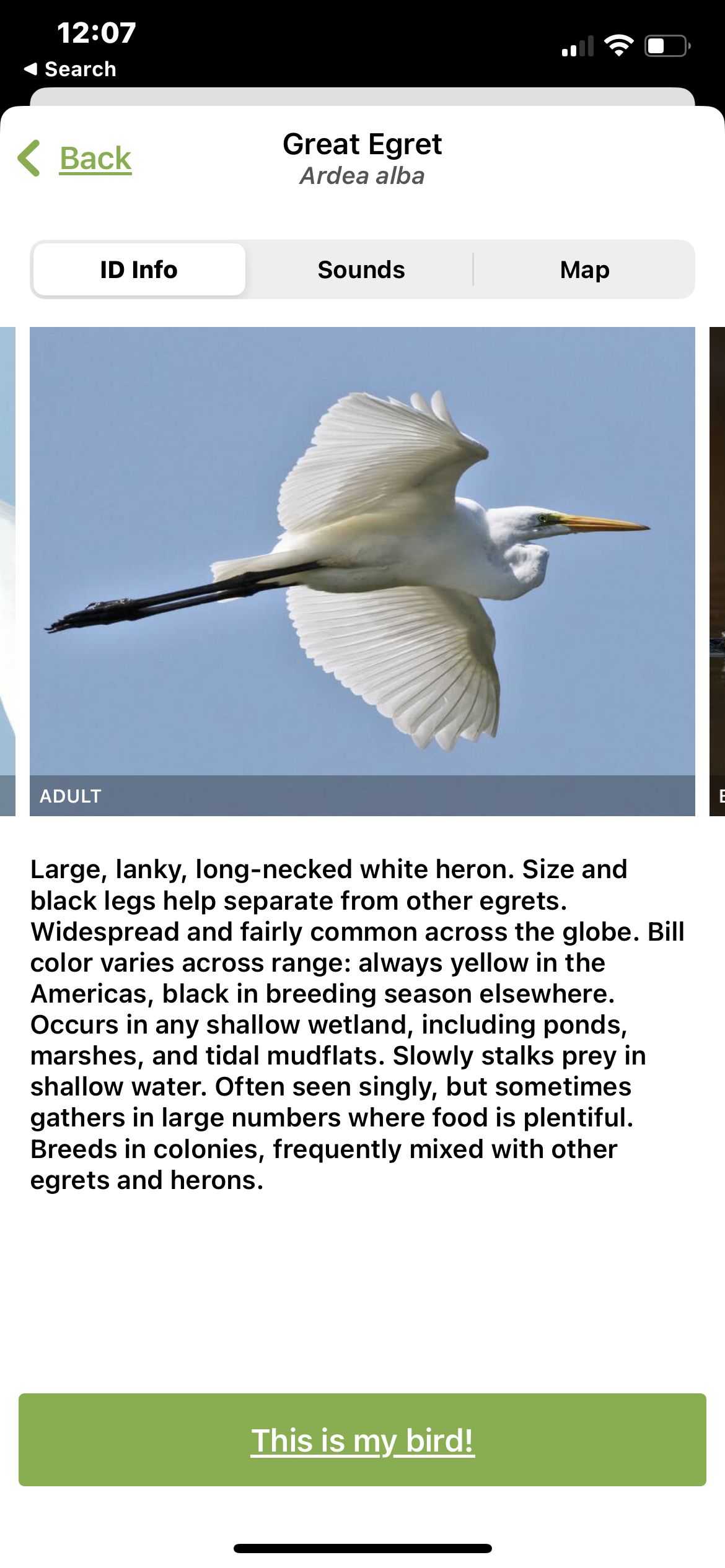
Watch out for these birds who are regular visitors to Wild Pond House.
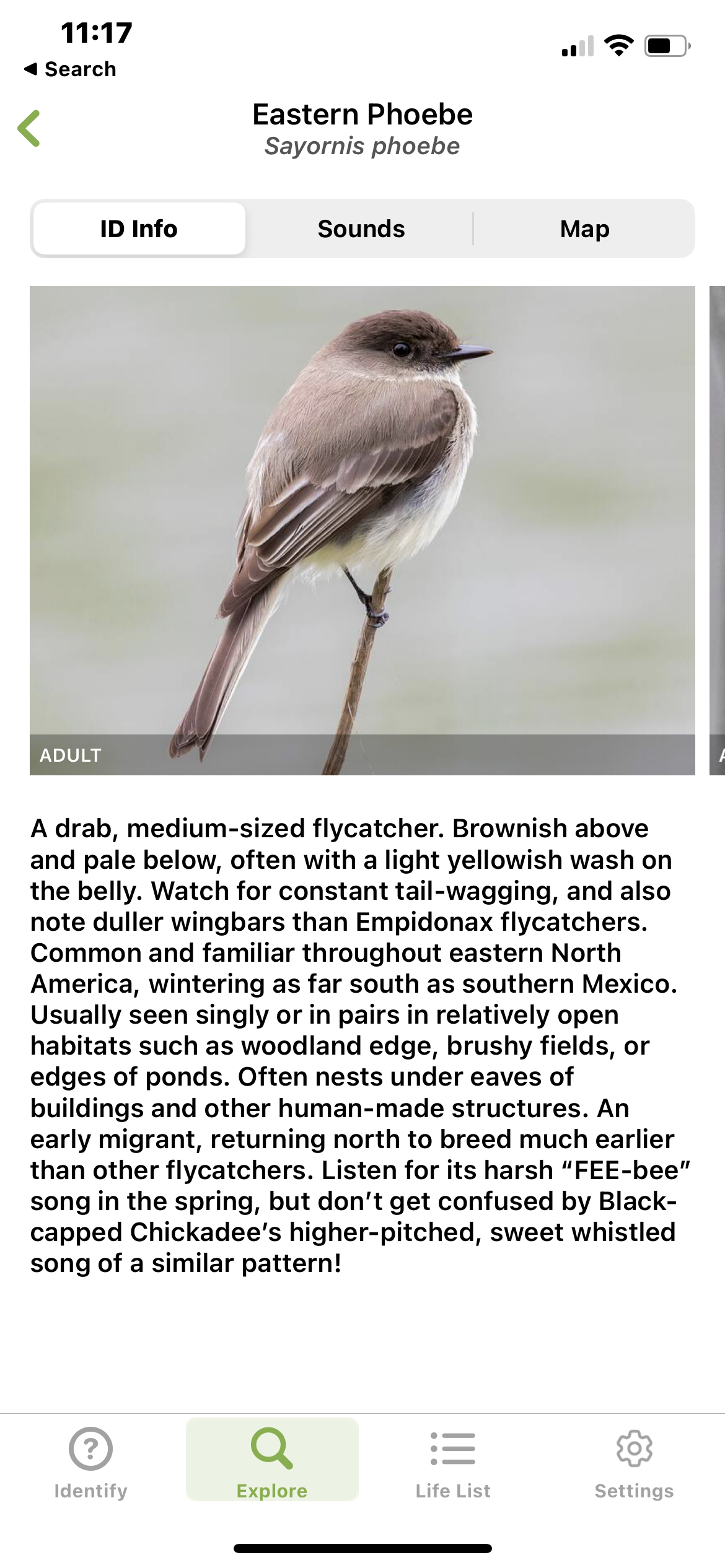
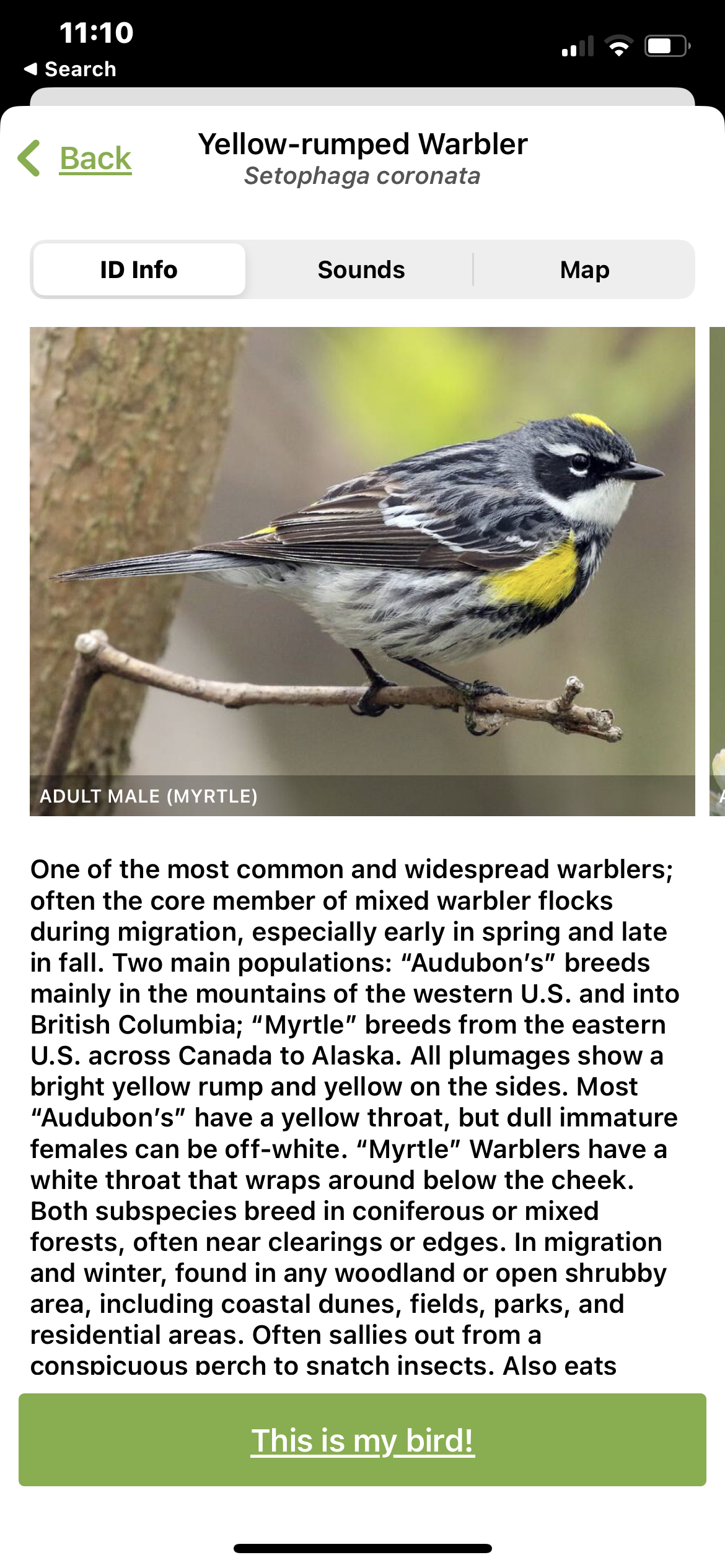
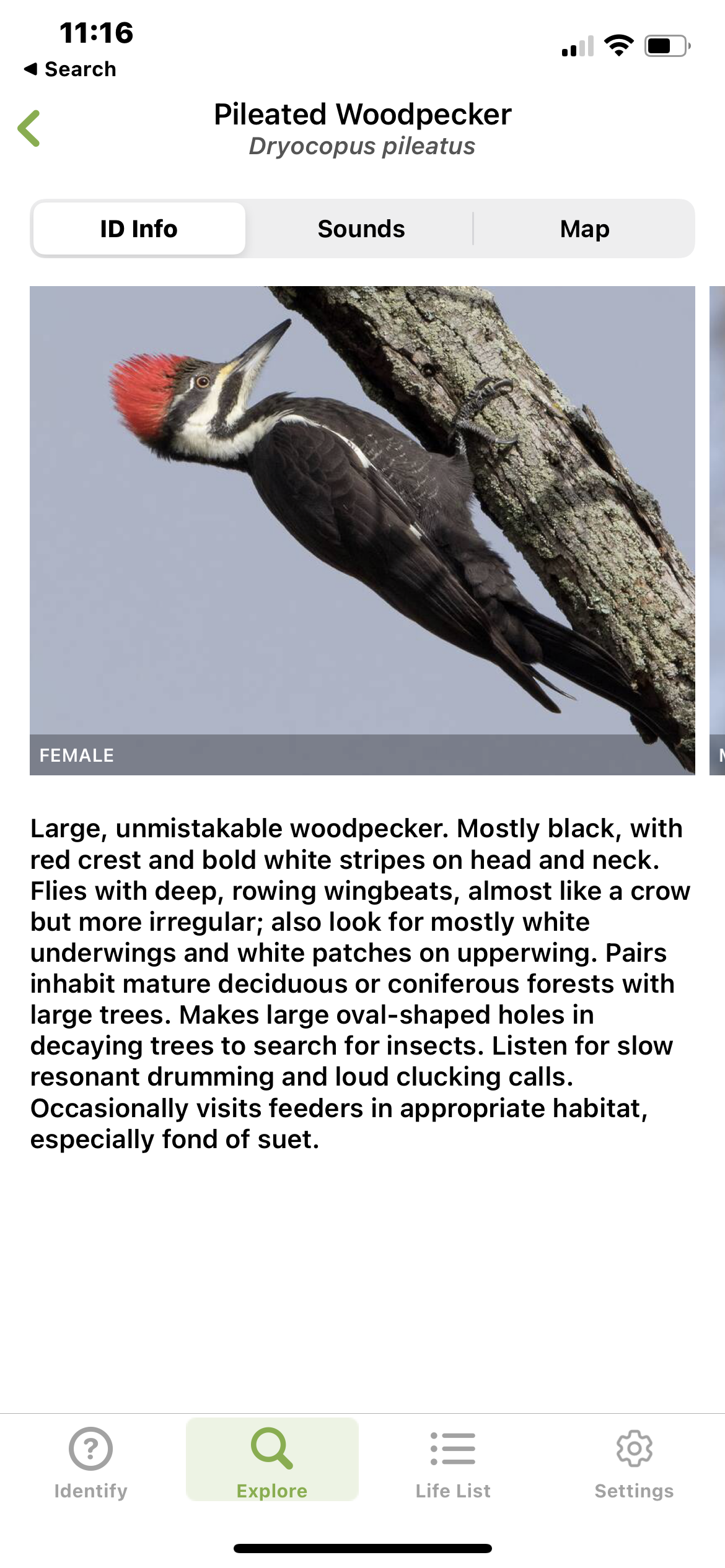
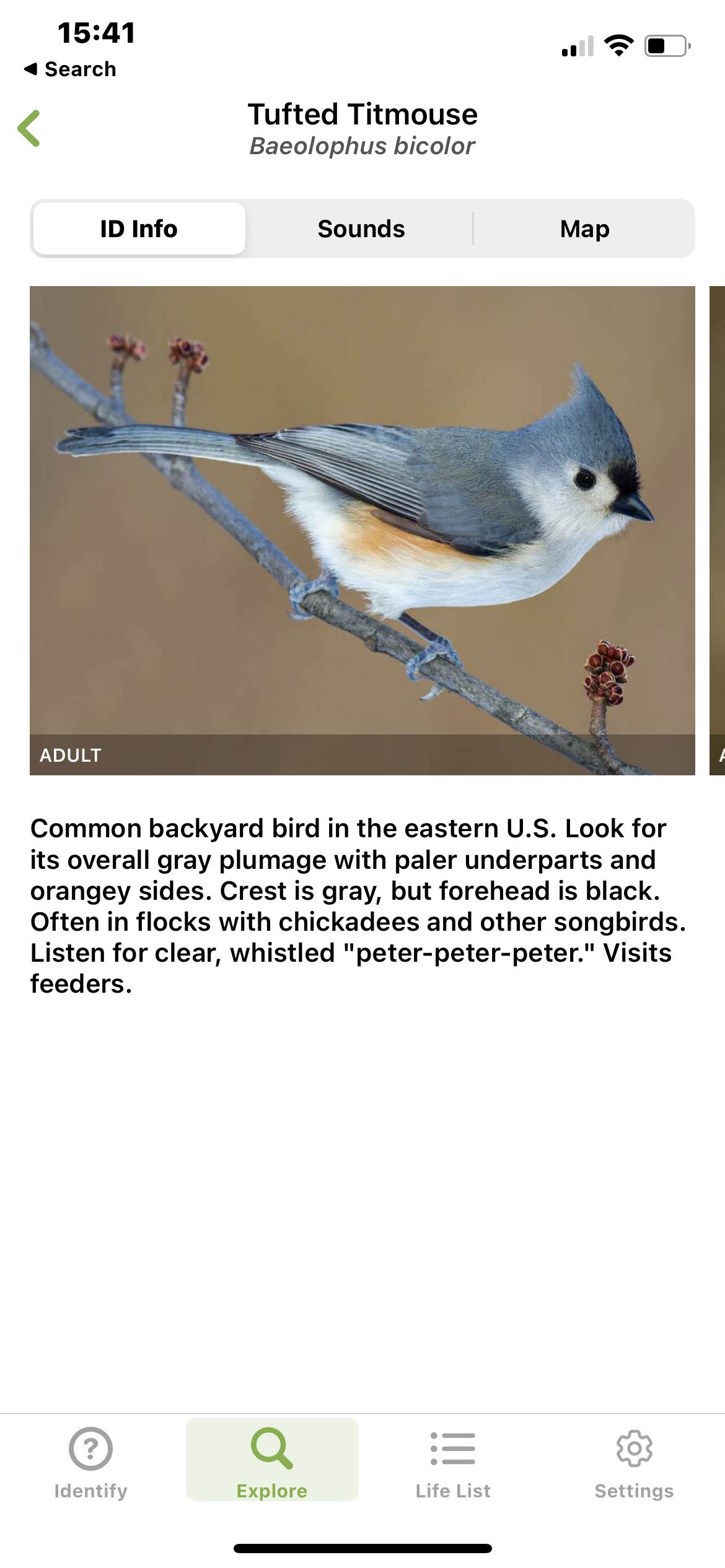
The fish in the pond are ornamental Koi
The koi are roperly termed nishikigoi (錦鯉) literally "brocaded carp”. They are colored varieties of the common carp which have been bred for ornamental purposes.
You can feed them fish food if you like; they won’t approach otherwise.They are colored varieties of the common carp which have been bred for ornamental purposes.
Other critters that populate wild pond house
Cuban Treefrogs
Because this invasive treefrog poses a significant threat to native tree frogs and causes many other problems, The University of Florida's Institute of Food and Agricultural Sciences (UF/IFAS) recommends you capture and humanely euthanize Cuban treefrogs. Be positive about the frog's identification before euthanizing what you believe to be a Cuban treefrog.
You can capture Cuban treefrogs by simply grabbing them from their perch sites. Approach the frog and grasp it firmly in a continuous, swift movement.
After positively identifying a frog as a Cuban treefrog, humanely euthanize by applying benzocaine ointment—a numbing agent used to treat skin pain and itching—to the frog's back. Name brand and generic products are available over-the-counter in tubes or sprays.
After the ointment is applied, place the frog in a sealable plastic bag for 15–20 minutes, so the benzocaine makes the frog unconscious.
Keep the frog in the bag, and place it in the freezer overnight. In the morning, throw it away in the trash. Do not throw live frogs in the trash.
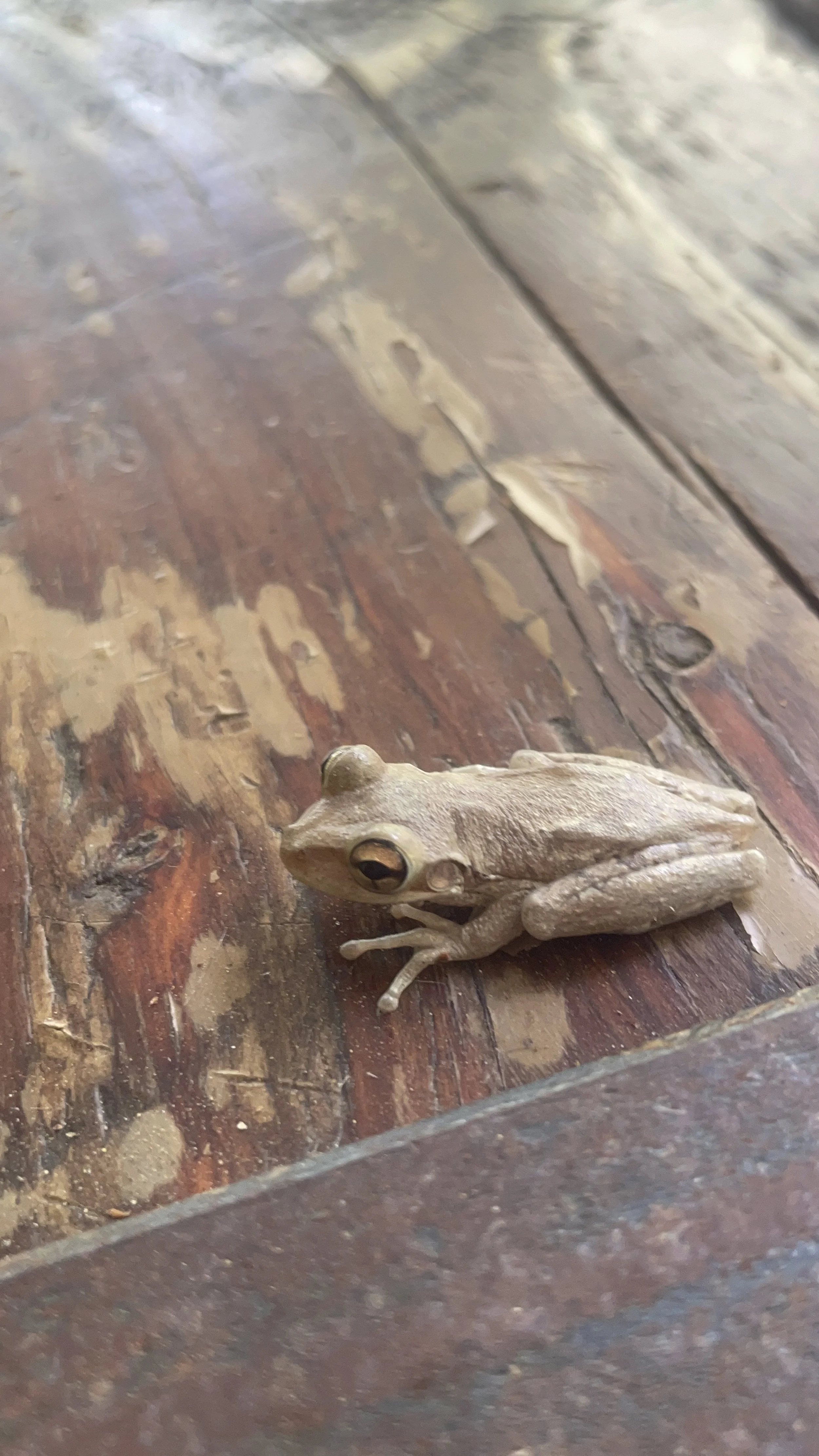
Cuban Treefrog
Tussock moth and caterpillar
Each spring, Tussock moths and caterpillars are abundant. They are native to North America and especially to North Florida, so they are not an environmental challenge, but just a nuisance.
Besides the annoying presence of numerous hairy caterpillars, many larvae spin their difficult-to-remove cocoons on outdoor furniture and various crevices. Also, their hairs can irritate some people.
If you want to get rid of them, sweep the caterpillars into a pail of soapy water and remove cocoons by slipping tweezers between the cocoon and the wall (or wherever they are attached).
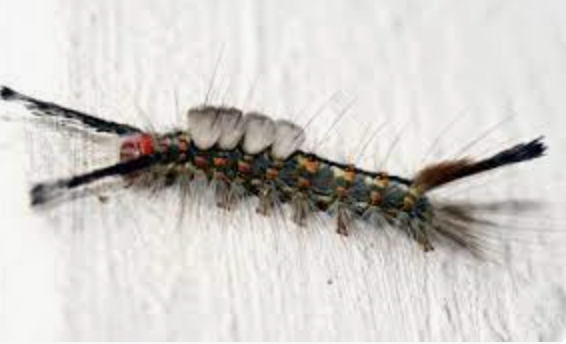
Tussock-Moth Caterpillar
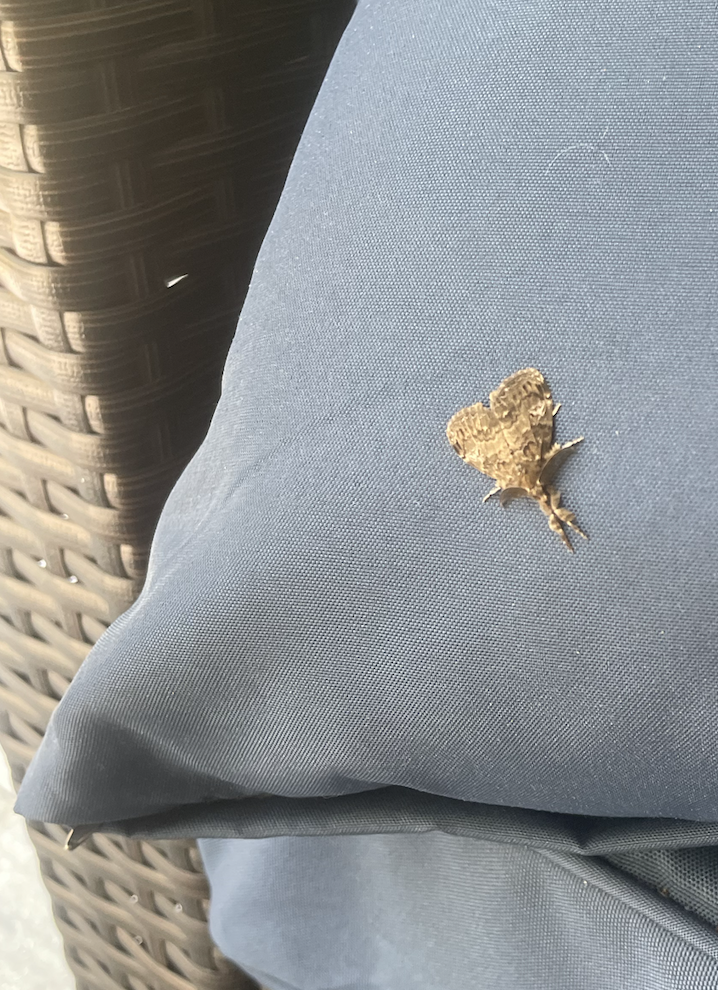
Tussock Moth
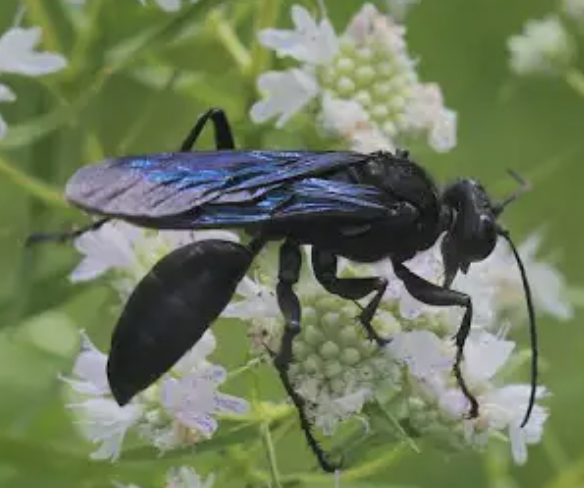
Great Black Wasp
These wasps construct small underground nests where they care for their offspring. They do not have a colony to protect, so they are not aggressive.
Their primary food source is nectar from flowers, and in gathering nectar, they help pollinate the flowers. You will also see them flying with paralyzed insect prey in their mouth and delivering them to their underground nests.
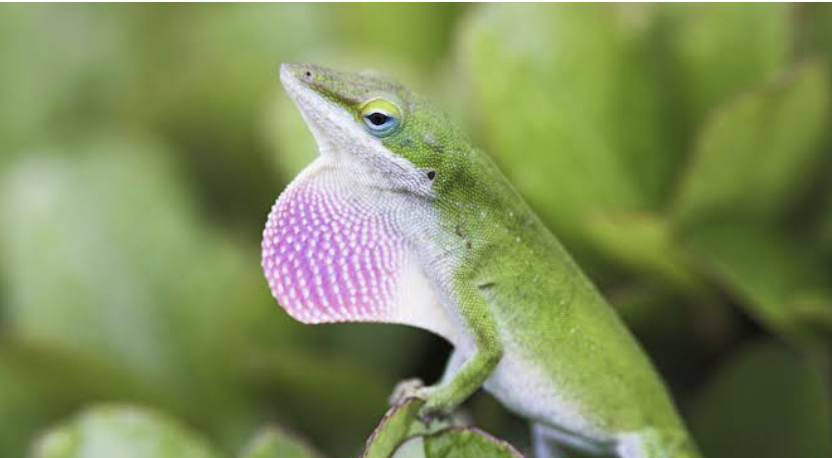
Green Anole
The green anole is the only anole species native to the United States. It is generally arboreal, but can be found almost anywhere. Males have a pinkish throat fan that is displayed in territorial rivalries or when approaching a potential mate.
They are active by day in warm weather and often basking in vegetation, they occasionally charge away from a basking spot to grab an insect or chase off a rival anole. During cool weather, anoles are often found hiding under tree bark.
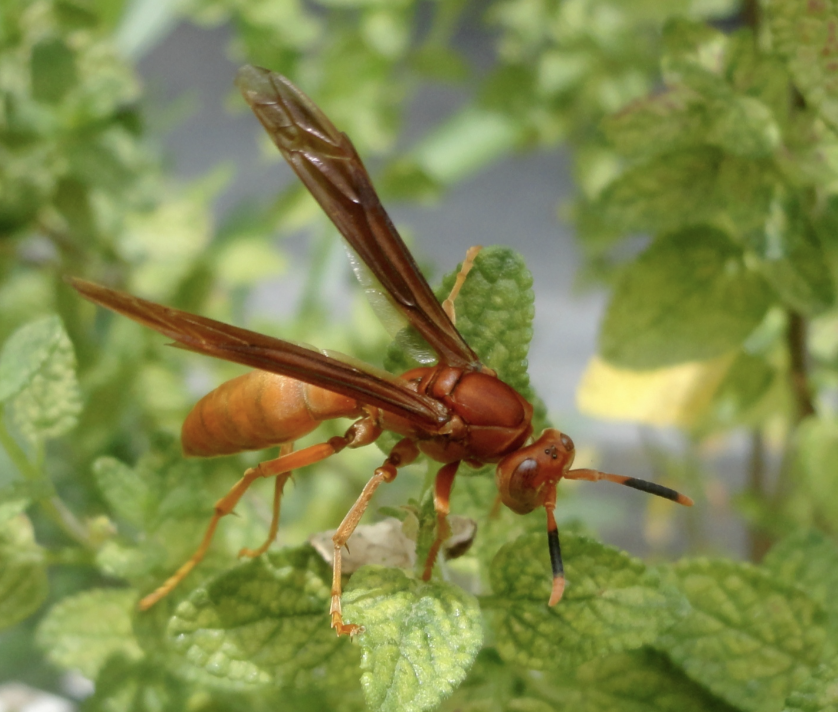
Red Paper Wasp
When one of these floats by, and it is away from its nest, you don't have too much to worry about. It has no interest in stinging you. The key to preventing a sting is to move away from the insect without swinging your arms.
They’re called a paper wasp because they build their nests from wood fibers and saliva which gives a papery appearance of their nests.
If you find a little gray blob forming under a roofline or inside a window frame, knock it down with a stick. We recommend doing this in the daytime when the female wasp is away collecting material to build her nest.
Red wasps are social insects, living in colonies that can contain up to several hundred individuals. Each colony has a queen, who is responsible for laying eggs and starting a new colony. The workers, which are all female, take care of the nest, gather food, and defend the colony. If you approach a nest and a wasp detects you, it will release a pheromone that makes the other wasps gather together in a swarm to defend the nest.
Red paper wasps are important predators, feeding on a variety of insects including caterpillars, flies, and spiders.
Red Paper Wasp
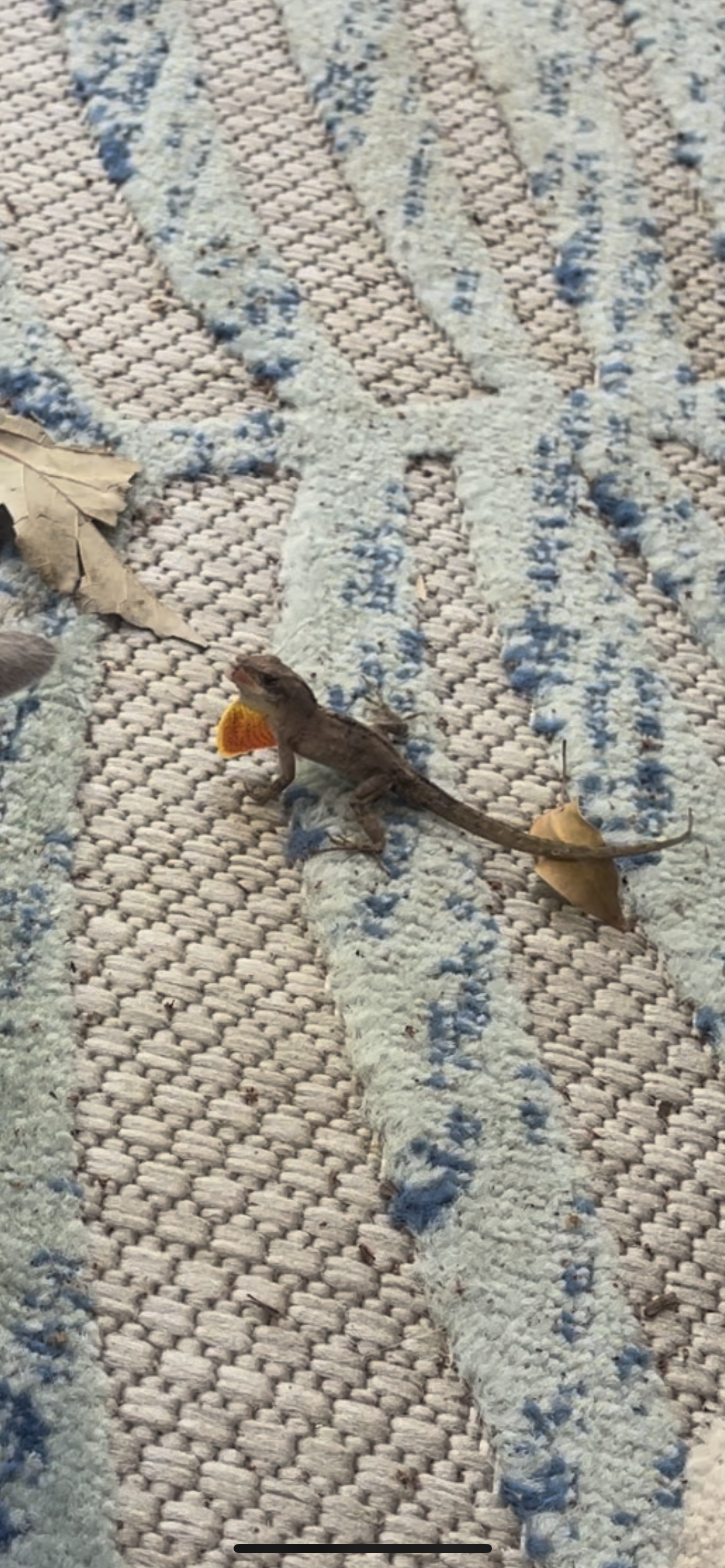
Brown Anole
This liittle lizard species is the first documented reptile introduction to Florida, In the late 1800’s, it likely arrived accidentally in a shipment of cargo originating from Cuba.
They spend most of their time on the ground or on trunks of trees. They eat a wide variety of insects, spiders, and other invertebrates. They are always brown (cannot change color), but can have lots of variety on the pattern on their backs. Males have a large orange or red throat fan.
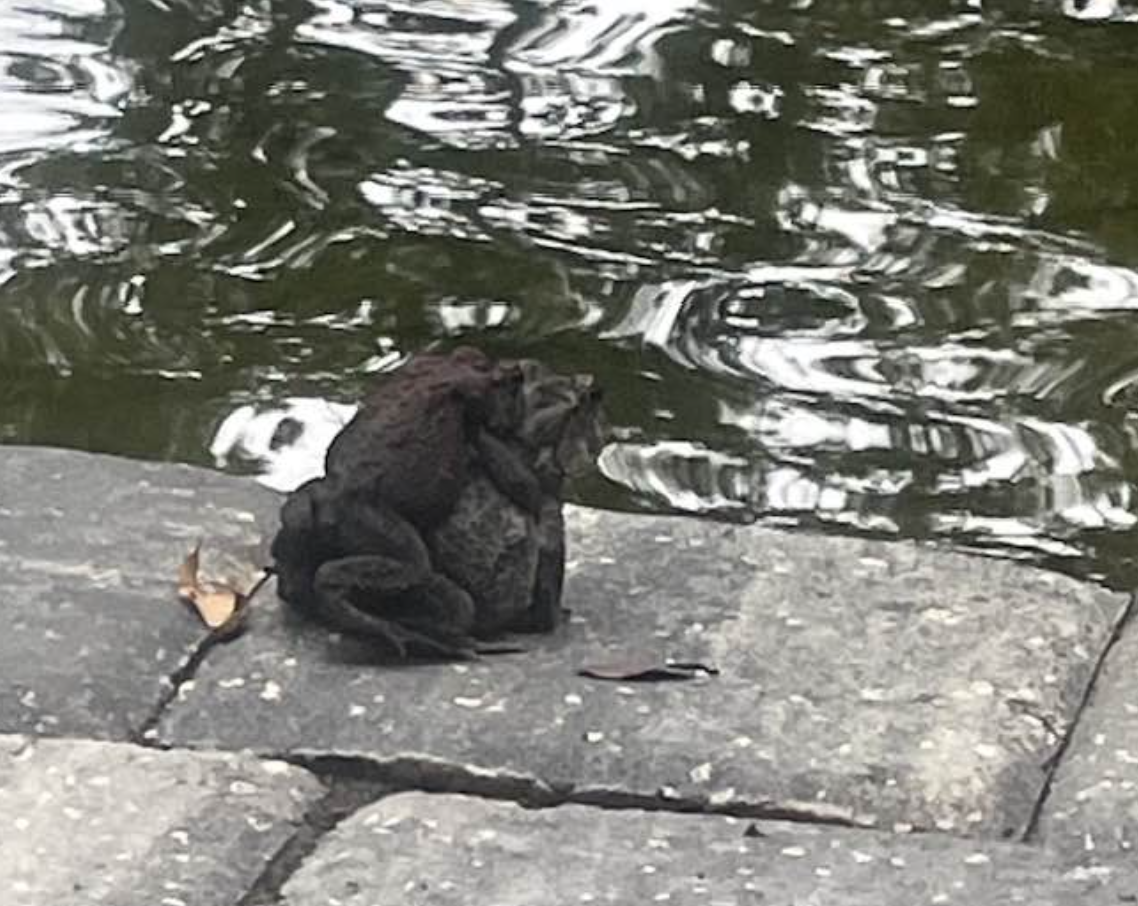
Southern Toad
Native to Florida!
Medium-size, squat and plump, they’re usually 1.5 to 3 inches long. Color varies from tan to reddish brown to gray, with darker spots and splotches, and lighter underbellies. Their skin has an irregular warty texture, with multiple warts within each dark spot, some of which are rough or spiny.
Rains set off calling, and their chorus becomes very loud! They’re a sign of a healthy habitat.
They eat mainly crickets, roaches, snails and other invertebrates. From March to October; they lay eggs in strings wrapped around vegetation. The pond maintenance guy can get them out of the pond if you don’t want to